| |

Authentic Polish Pierogies from a Krakow Cooking Class

Share this post!

I don’t know about you, but when I think of Polish food—I think of one thing: authentic Polish pierogies.

There’s something about those pillowy dumplings stuffed with savory fillings that just screams comfort food. So when I took a solo trip to Krakow in October of 2019, learning how to make pierogies shot straight to the top of my to-do list.

I’ve always believed the best way to get to know a city is through its food, and nothing has ever beaten taking a local cooking class.

That’s how I ended up elbows-deep in flour in a Krakow kitchen, learning to mix, knead, fill, and fold pierogies from a Polish chef who somehow had infinite patience for two Americans (me and another solo female traveler) stumbling our way through the process.

Whether you’re just looking for a fun dinner idea, or you’re planning a trip to Krakow and want to dive into Polish culture headfirst—this step-by-step pierogi recipe is the perfect place to start.

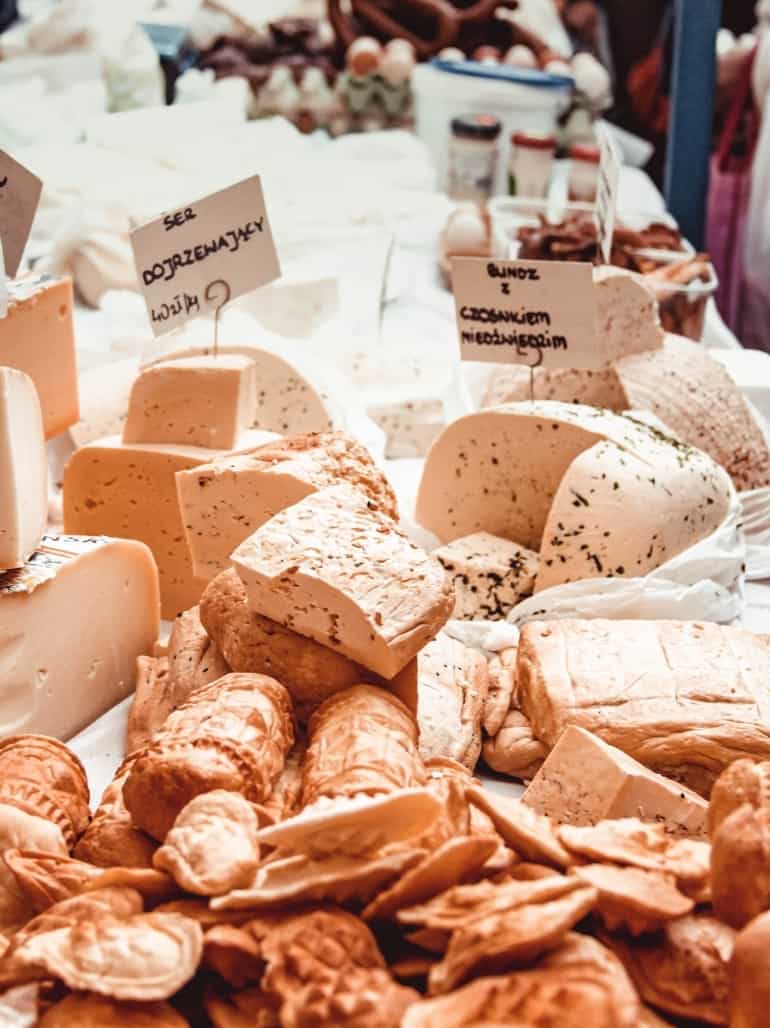
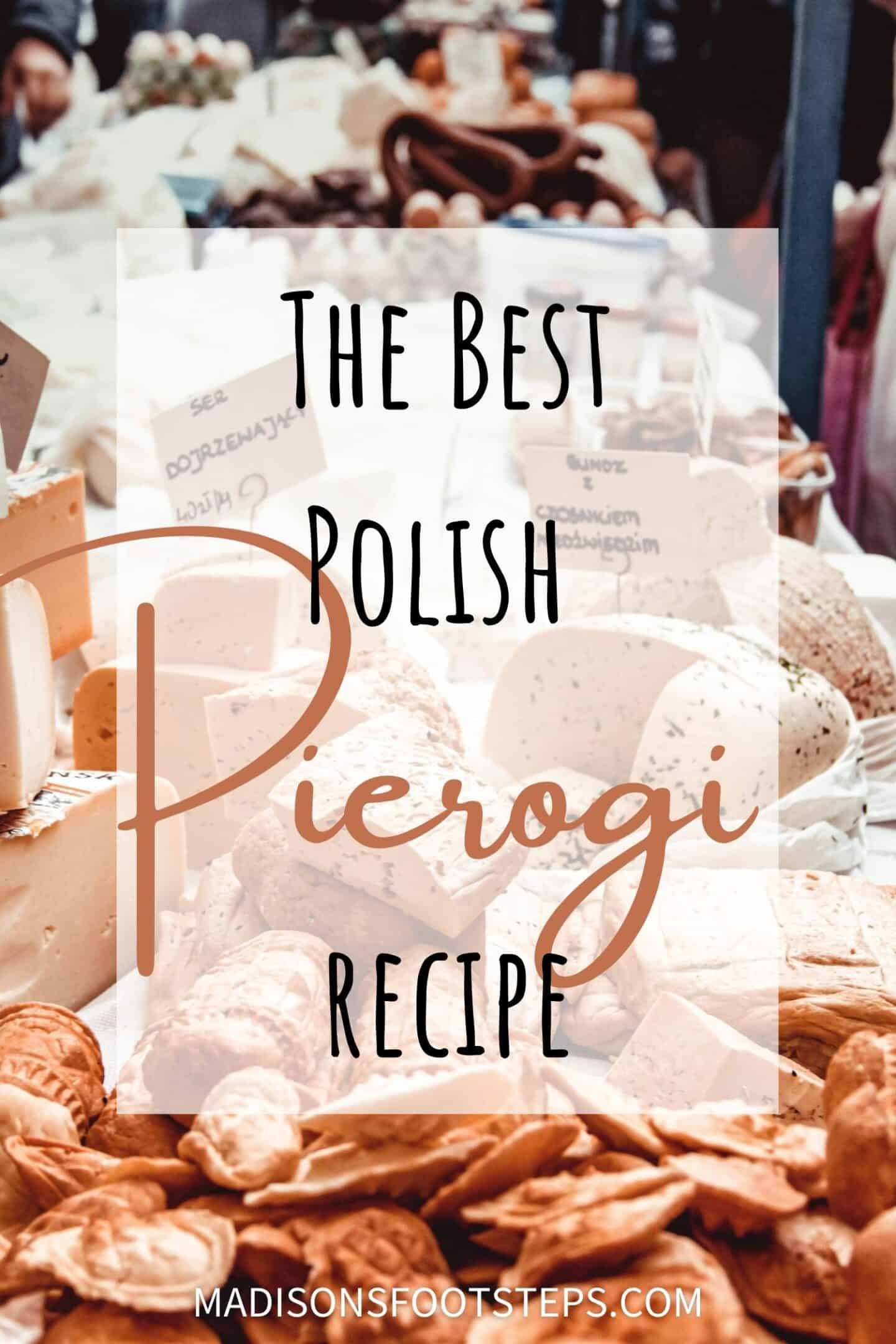
A colorful display of traditional Polish cheeses and pastries at a local market in Kraków, captured during a Kraków cooking class. Blocks and wheels of cheese labeled in Polish.

KRAKOW COOKING CLASS SOLO FEMALE TRAVEL RATING: ⭐️⭐️⭐️⭐️⭐️
A cooking class is a fantastic activity for a solo female traveler in Krakow. I booked it on my solo trip back in 2019 and it was one of my favorite parts of my whole trip. It’s pretty affordable (depending on which class you choose) and can be a great way to make friends.

How to Make Authentic Polish Pierogies in 6 Easy Steps

Our pierogi-making class kicked off with a visit to the local market to gather all the essentials for our pierogi-making adventure.

Our teacher, Olgierd, handed us cheat sheets and patiently coached us through ordering the ingredients in our extremely broken Polish. (I loved this touch because it taught us even more about the local culture and made the whole experience feel way more immersive than just following a recipe at home.)

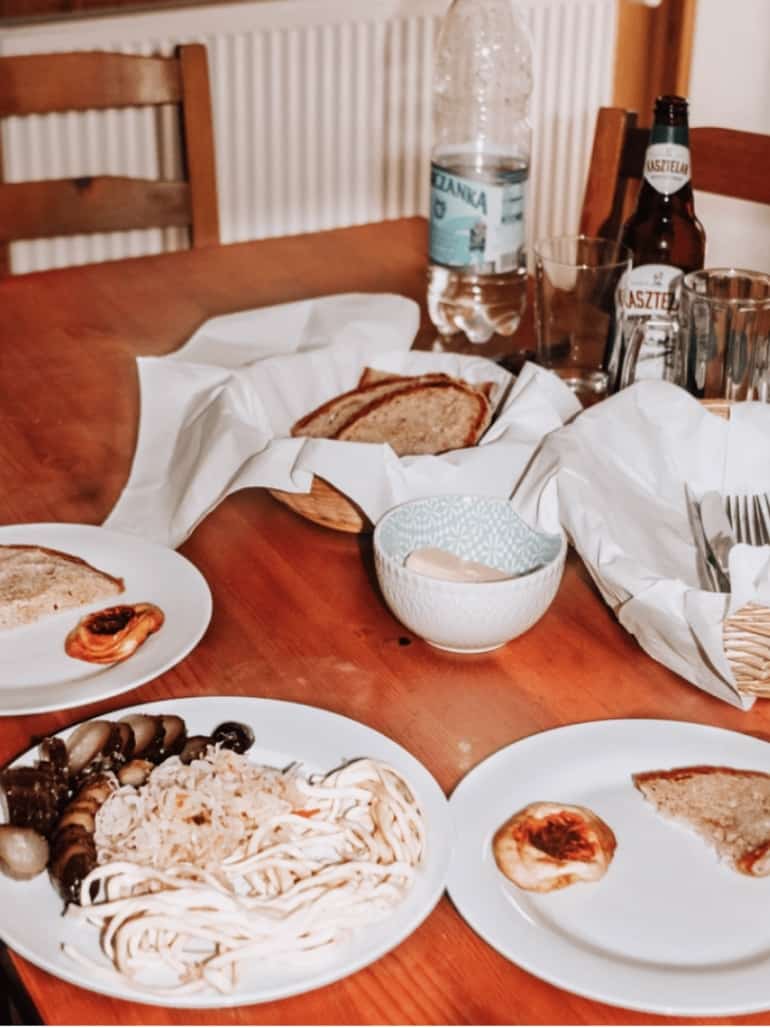
Back at his cozy Krakow kitchen, he laid out a spread of Polish appetizers—cheese, bread, pickles, and sauerkraut—for us to snack on while we cooked. Then it was time to roll up our sleeves and get started on the pierogies.

A wooden table set with Polish appetizers served by a cooking class teacher named Olgierd, featuring plates of pickles, sauerkraut, slices of Polish cheese, and rustic bread. A bottle of water, a beer, and bowls of butter and utensils add to the casual, home-style dining atmosphere.

Step 1: Make the Pierogi Dough

Olgierd kicked off the class by showing us how to properly make the dough for authentic Polish pierogies.

He showed us how to pour the flour into a large mixing bowl and create a well in the center. We added the water, egg, oil, and a pinch of salt into the well, then used a fork to gently beat the wet ingredients together—without mixing in the flour just yet.

Once they were combined, we slowly began stirring in the flour from the sides until a soft, shaggy dough started to form.

Next, we transferred the dough onto a lightly floured surface and began kneading. It took about eight minutes of steady kneading to get it smooth and elastic, and Olgierd showed us how to keep adding small bits of flour to keep it from sticking to our hands or the counter.

Once the dough felt soft and supple, we tucked it into a bowl and let it rest at room temperature for about an hour.

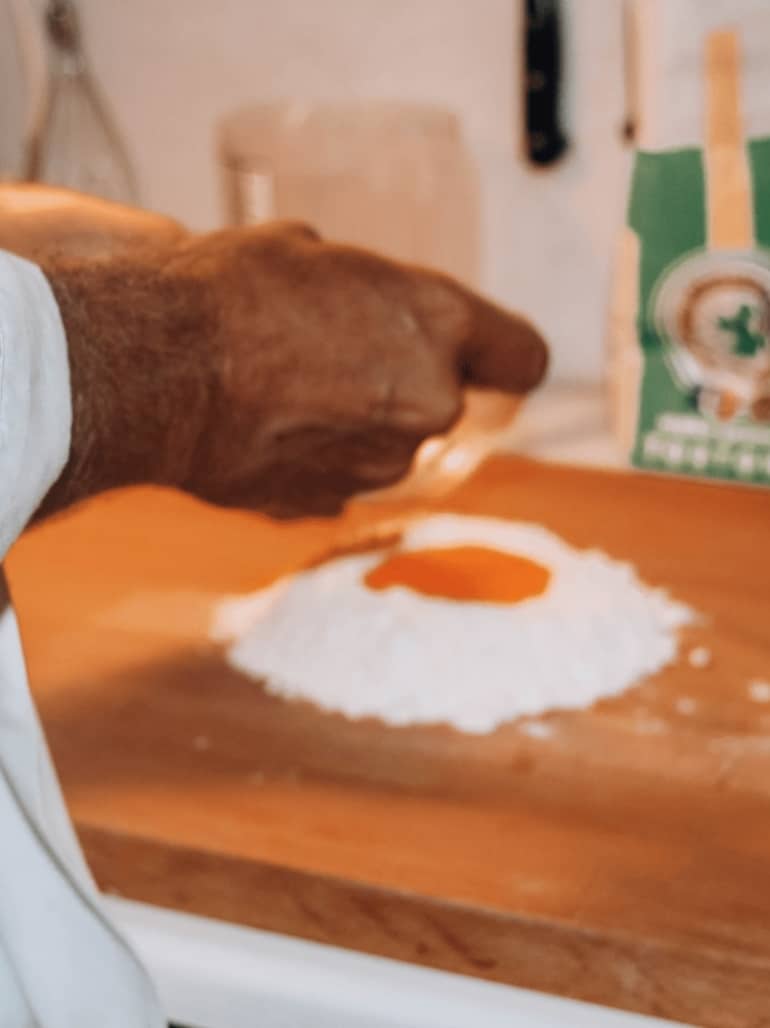
Close-up of Olgierd preparing dough during a pierogi-making class, pouring egg into a well of flour on a wooden surface.

Step 2: Mix the Filling

Once the dough was resting, we moved on to the pierogi filling.

Olgierd walked us through peeling the potatoes and chopping them into small, bite-sized pieces—about an inch each. We dropped them into a pot of salted water and let them boil until they were soft enough to mash, which took around eight minutes.

After draining the potatoes, we transferred them to a large bowl and added the cheese, salt, and pepper. Then we mashed everything together until the filling was smooth and creamy. Once it reached the right texture, we set it aside to cool while we started prepping the onion topping.

We used a type of extra-sharp white cheese for the filling, and it was *chef’s kiss* delicious. Definitely one of my favorite foods I tried in Krakow!

Hands mashing cooked potatoes in a pot while sharp white Polish cheese sits in a plastic bag nearby, ready to be mixed into the filling for authentic Polish pierogies.

Step 3: Make the Onion Topping

While the filling cooled, we started working on our onion topping.

Olgierd added a generous scoop of butter to a saucepan and let it melt over moderately low heat. Once it was bubbling, we tossed in the chopped onions and gave everything a good stir.

We let the onions cook slowly, stirring every few minutes until they turned a rich, golden brown. The kitchen smelled amazing at this point.

When they were perfectly caramelized, we took the pan off the heat and seasoned the onions with salt and pepper to taste.

Step 4: Cut your Dough into Circles

Before we could stuff our gorgeous little dumplings, we had to cut our dough into circles.

We began by halving the dough and keeping one half tucked back in the bowl to prevent it from drying out. Using a lightly floured rolling pin, we rolled out the other half on a lightly floured surface. Olgierd reminded us not to use too much flour or the dough wouldn’t stretch properly.

Once it was thin and even, we used a glass from Olgierd’s kitchen to punch out circles. A regular drinking glass worked perfectly—no fancy tools needed. Just make sure whatever you use is around 2.5 inches across.

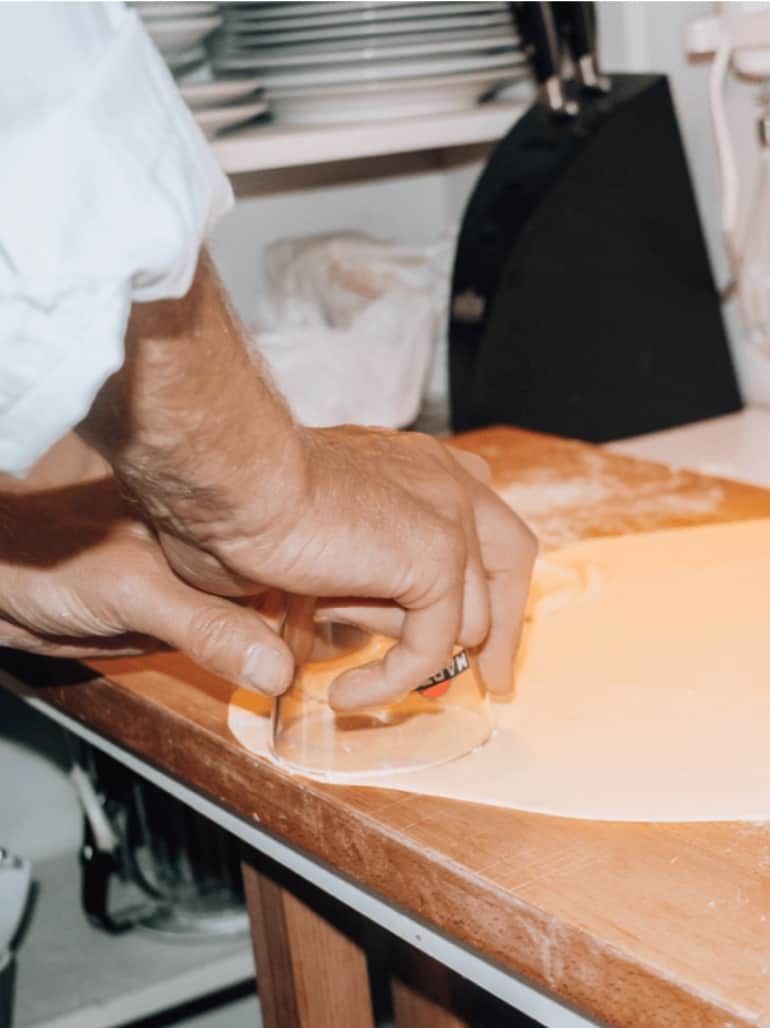
Close-up of Olgierd cutting rolled-out pierogi dough into perfect rounds using an upside-down glass on a floured wooden surface.

Step 5: Stuff the Pierogies

Now it was time for the fun part—stuffing the pierogies!

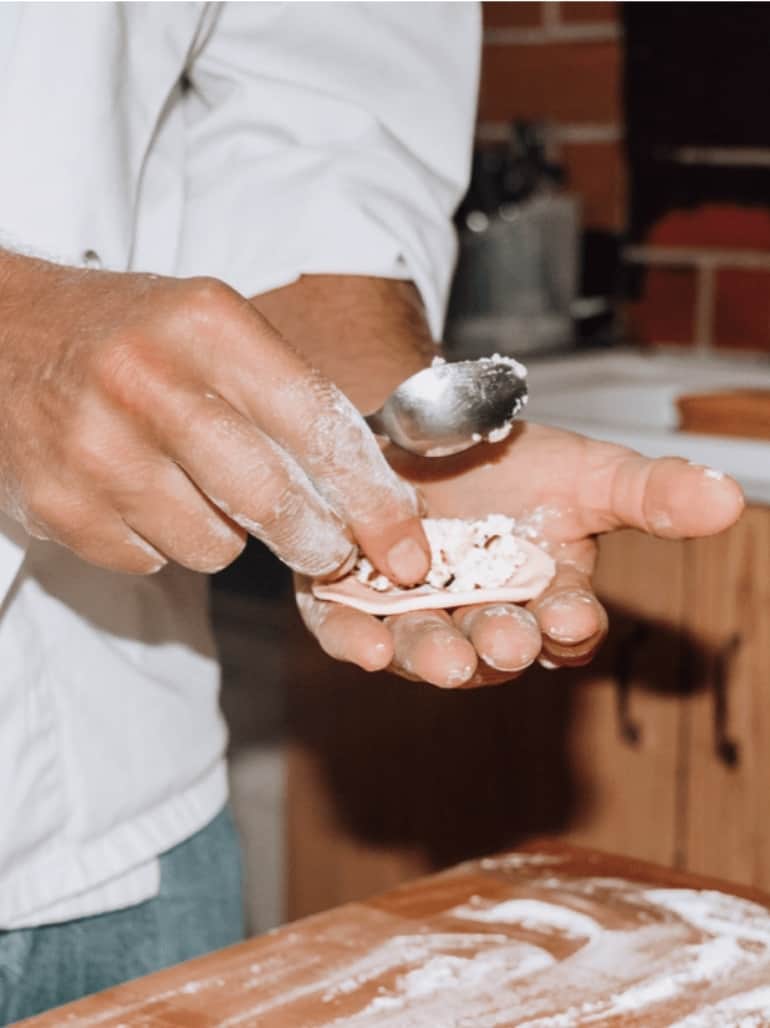
Holding a dough round in one hand, we added a small spoonful of the mashed potato filling right in the center. Then we gently folded the dough over to form a half-moon shape.

To help seal the edges, we brushed a little water around the rim and pinched the sides closed with our fingers.

Olgierd also showed us how to crimp them with a fork for a more secure (and decorative) seal. He reminded us to check for any gaps—if the edges weren’t sealed properly, the filling could leak out while cooking.

Don’t get discouraged at this part, it definitely takes some practice!

Olgierd spooning a savory potato and cheese filling onto a round of dough held in his flour-dusted hand during a pierogi-making class.

Step 6: Cook the Pierogies

Once the pierogies were stuffed and sealed, it was time to cook them.

(Thank God—I was getting hungry by this point.)

We brought a large pot—about 6 to 8 quarts—of salted water to a rolling boil. Then we carefully dropped in half the batch of pierogies, giving them a gentle stir a couple times to keep them from sticking together.

After a few minutes, they floated to the surface. Olgierd told us to let them cook for about five minutes longer to make sure the dough was fully cooked and the filling was warmed through.

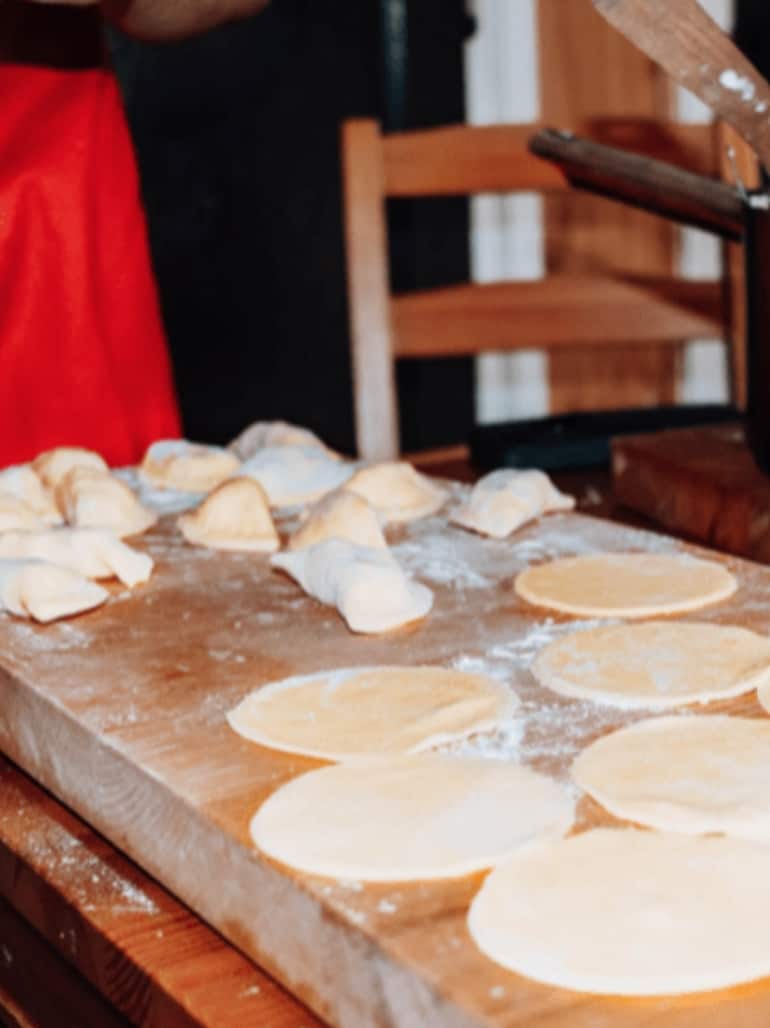
Freshly cut dough rounds and folded pierogies rest on a floured wooden board during a hands-on pierogi-making class. A pot of filling and mixing bowls are nearby, capturing the step-by-step process of crafting authentic Polish pierogies.
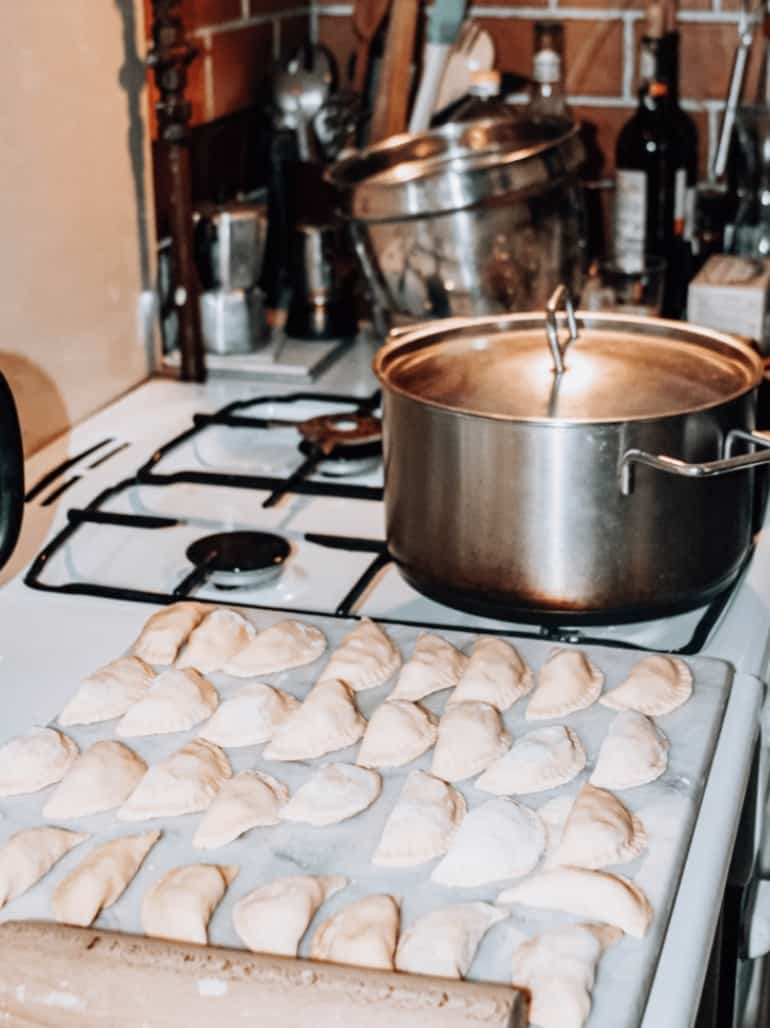
A tray of uncooked, hand-shaped pierogies rests beside a large covered pot on a gas stove in a cozy kitchen, ready for boiling.

Step 6: Serve and Enjoy!

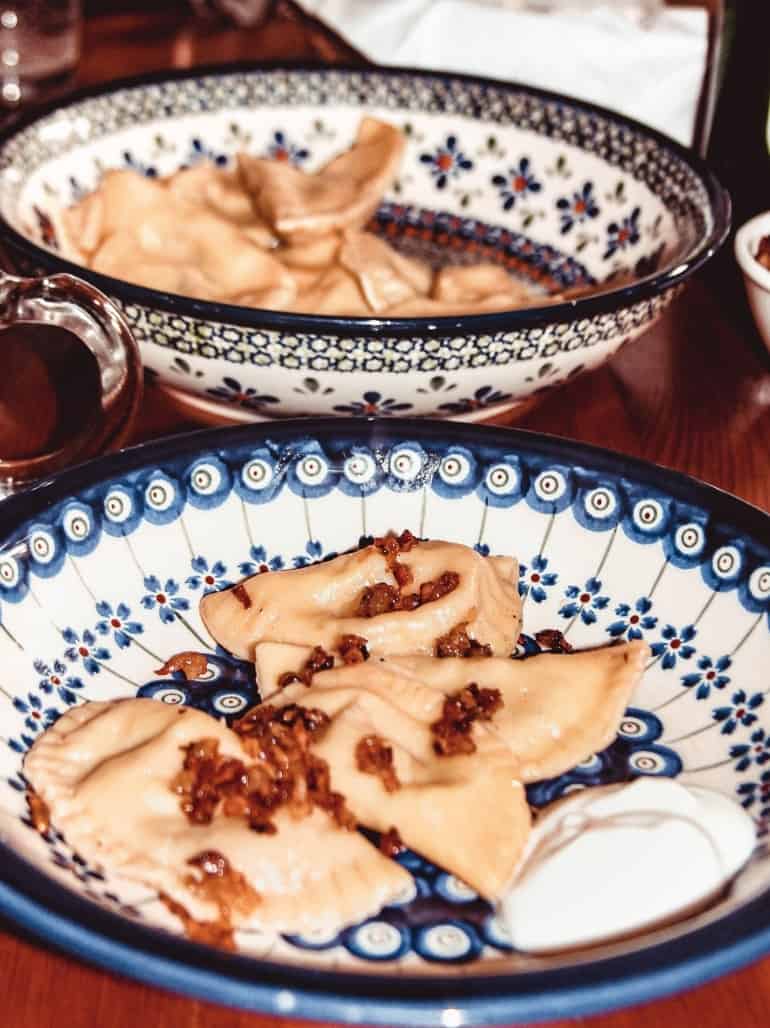
When the pierogies were done cooking, we scooped them out and gave them a generous coating of our caramelized onion topping. Then came the best part—eating them.

We served them with a big dollop of sour cream on the side.

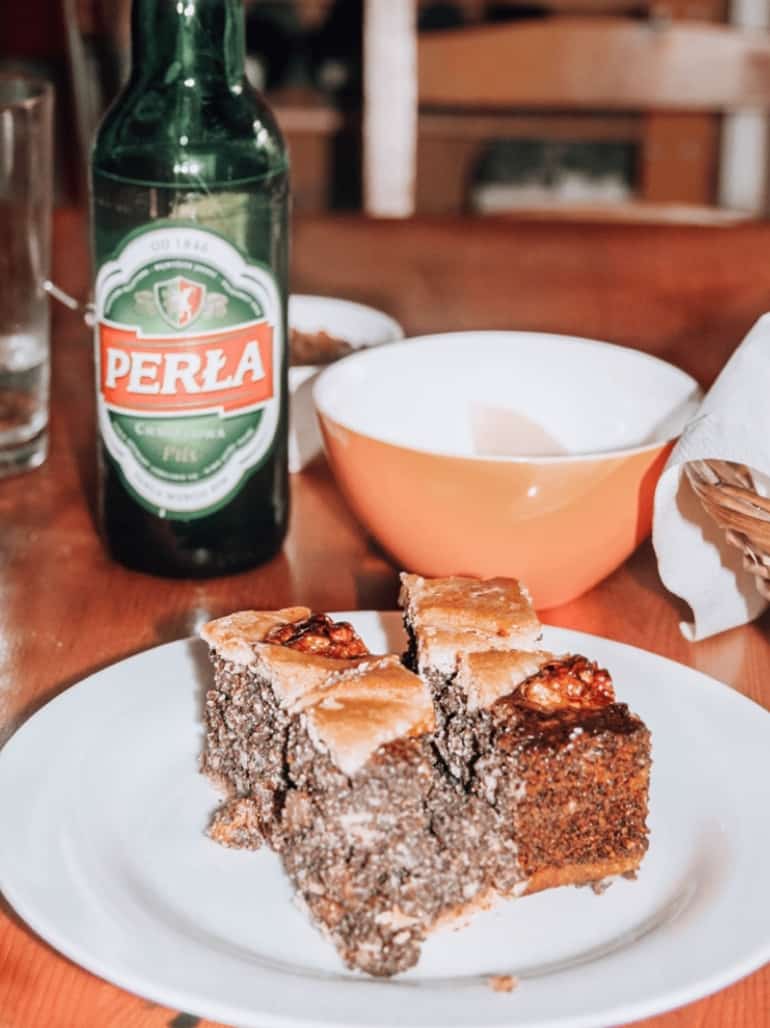
And since no Polish meal is complete without something sweet and a drink, we finished things off with a traditional Polish dessert and an ice-cold beer!

And how cute is that traditional Polish pottery? Shopping for Bolesławiec pottery was one of my favorite things I did on my long weekend in Krakow.

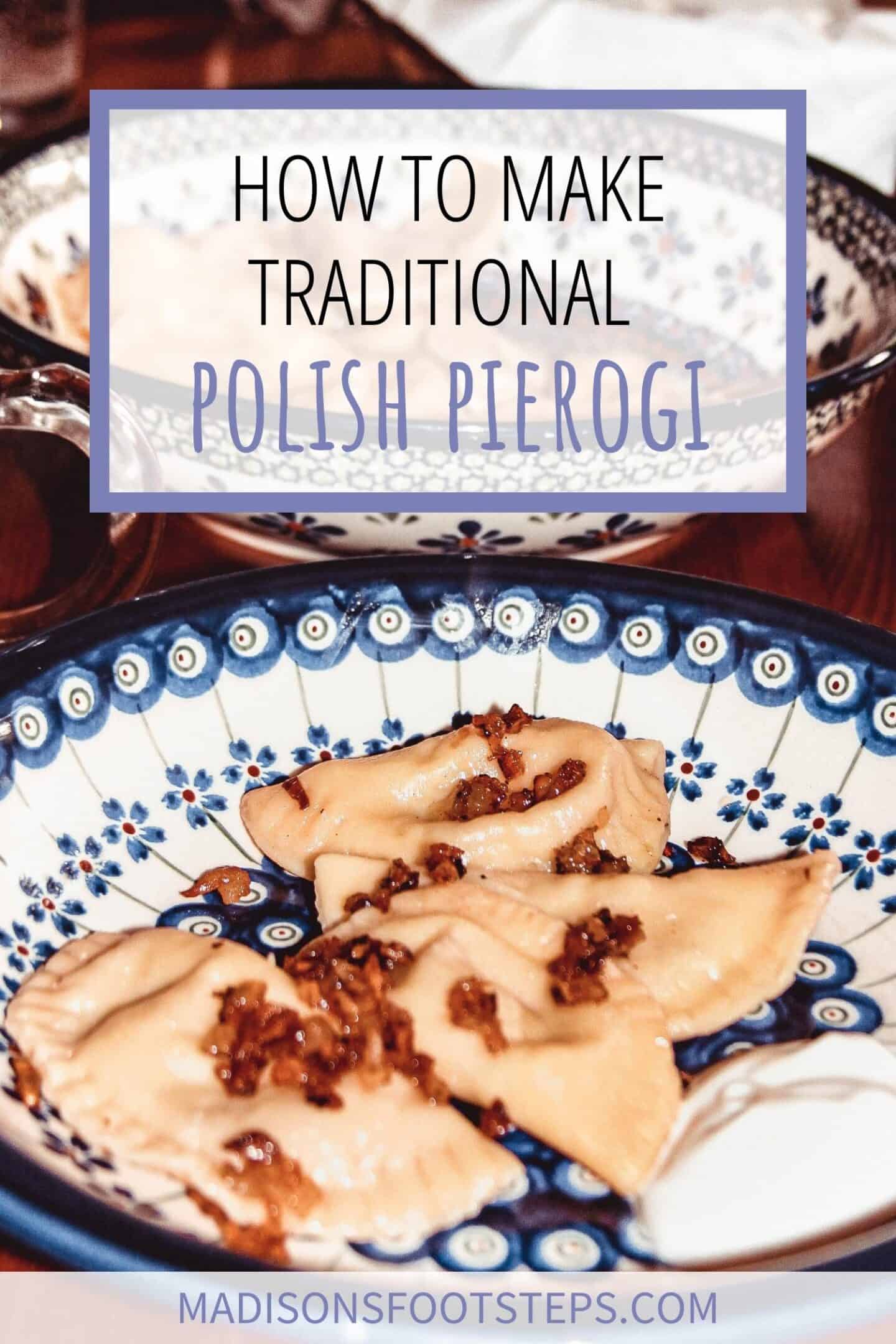
A bowl of freshly cooked authentic Polish pierogies topped with crispy golden onions and served with a dollop of sour cream. The dish is beautifully presented in traditional Polish pottery, capturing the delicious final result of a hands-on pierogi-making class.
Two slices of traditional Polish poppy seed cake served on a white plate alongside a bottle of Perła beer.

Book your Pierogi Cooking Class in Krakow

Sadly, Olgierd’s class is no longer available (although if you’re reading this, Olgierd—I hope you’re doing great!).

Luckily, I found a similar experience that looks just as fun. This pierogi cooking class on Viator has nearly 300 5-star reviews and only costs $82 USD. It’s also a small group class that includes a local market tour and takes place right in a local’s apartment—just like mine did.

If you’re solo traveling, I definitely recommend inviting some of your new hostel friends to come along. (If you need a place to stay, I loved The Little Havana Party Hostel—it’s perfect for meeting other travelers in Krakow.)

👉🏼 Learn how to make pierogies on a small-group cooking class in Krakow!

Save the Recipe!

Authentic Polish Pierogies

Olgierd
Learn how to make authentic Polish pierogies the way I did—during a hands-on cooking class in Krakow with a local chef.
This recipe features the classic potato and cheese filling, topped with caramelized onions and served with sour cream. It’s the same style you’ll find in homes and kitchens all over Poland, and it’s easier to make than you think.
Perfect for a cozy night in or as a fun way to explore traditional Polish cooking from your own kitchen.
Prep Time 1 hour 30 minutes
Cook Time 30 minutes
Course Main Course
Cuisine Polish
Servings 50 pierogi

Ingredients
  

Dough

  • 1 cup Water
  • 1 large Egg
  • 3 cups All-purpose flour + more for kneading
  • 1 cup Vegetable oil
  • 1 tsp Salt

Filling

  • 1 1/2 lb Russet potatoes
  • 2 1/4 cups Coarsely grated extra-sharp white cheese (6 oz)
  • 1/4 tsp Salt
  • 1/4 tsp Black pepper

Topping

  • 1 medium Yellow onion Halved lengthwise and thinly sliced crosswise
  • 1/2 cup Unsalted butter
  • Sour Cream for garnish

Instructions
 

Make Dough

  • Pour flour into large bowl and form a well in the center.
  • Add water, egg, oil and salt into well and beat together with a fork (without mixing together with flour).
  • Continue stirring while gradually adding flour until soft dough forms.
  • Transfer dough to lightly floured surface and begin to knead until smooth and elastic. This should take around 8 minutes and continue to add flour to keep the dough from sticking.
  • Place soft dough in a bowl and let sit 1 hour at room temperature.

Mix Filling

  • Peel potatoes and cut into 1-in pieces.
  • Cook in large saucepan of salted water until tender, usually about 8 minutes.
  • Drain. Then transfer to bowl and add cheese, salt and pepper and mash until smooth. Let cool.

Cook Onion Topping

  • Add onion and butter to saucepan and cook over moderately low heat. Stir occasionally until the onions are golden brown.
  • Remove from heat and season with salt and pepper.

Stuff Pierogi

  • Halve dough, keeping the other half in bowl, and roll out on lightly floured surface (be sure not to over-flour or dough will not stretch) with a lightly floured rolling pin.
  • Cut out rounds with a lightly floured cutter, a cup will work fine.
  • Holding round in one hand, add small amount of mashed potato filling to the center and close dough around the filling.
  • Brush edges with water and pinch together to seal or seal with a fork. Make sure you’re not leaving any gaps or the filling could come out while cooking.
Cook Pierogi

  • Bring a 6-8 quart pot of salted water to a rolling boil.
  • Add half of pierogi, stirring a couple times to make sure they aren’t sticking together.
  • After the pierogi float to the surface, cook 5 minutes longer.
Serve

  • Coat cooked pierogi in caramelized onion topping and serve with sour cream!
Keyword Dumpling, Pierogi, Polish

From Krakow to Your Kitchen

I hope you enjoyed making Olgierd’s pierogi recipe as much as I did. Honestly, I’m still dreaming about that day in Krakow—eating my heart out on pierogies, kotlet schabowy, and Polish donuts.

Until I can make it back to Poland, I’ll be in my kitchen recreating all my favorite dishes…starting with these authentic Polish pierogies.

If you give this recipe a try, I’d love to see how your pierogies turn out! Drop a photo in the comments or DM me on Instagram @madisonsfootsteps (and if you love Europe as much as I do—follow along!).

A scenic view of St. Mary’s Basilica in Kraków’s Old Town, with its iconic mismatched towers rising above a sea of pastel-colored rooftops.

And if you enjoyed learning how to make pierogies from a local chef in Krakow, don’t miss my related posts below!

2 Comments

Leave a Reply

This site uses Akismet to reduce spam. Learn how your comment data is processed.