Rome In 3 Days: The Perfect Rome Itinerary For 2024
**This post contains affiliate links, which means if you buy something through those links I will receive a small commission at no extra cost to you. Click here to view my legal page. Thank you for your support!
Wondering what to do in Rome in 3 days? In this blog post, you’ll find everything you need to hit the top sights in Rome in only a long weekend!
Welcome to Rome – the Eternal City! If you are visiting Rome in 3 days, you’ve landed in the right place. Rome, with its rich historical legacy and vibrant cultural life, is a city that captures the heart of every traveler. Despite its massive size, a well-planned itinerary can help you experience the essence of Rome in just a long weekend.
During my time as a digital nomad, I have been lucky enough to live in Italy for over two years. I spent a year and a half working in the tourism industry in Florence, and another six months studying in the heart of Rome.
As much as I loved Florence, Rome captured my heart in a way that no other city ever has.
My Rome for 3 days itinerary has been meticulously crafted to ensure that you don’t miss any of the must-see spots while also experiencing some tourist-free hidden gems. Your three days in Rome will be filled with iconic landmarks, mouth-watering restaurants, beautiful views, and local nightlife. Are you ready to take on the eternal city? Let’s go!
Map of Rome
The Lazy Girl’s Guide to Rome in 3 Days
You’re busy planning an epic trip to Rome – I get it. If you’re short on time, skip the long version and plan your Rome in 3 days itinerary with my lazy girl’s guide to Rome below!
👉🏼 Day 1 in Rome:
- Visit the Colosseum and the Roman Forum 🚩
- Take the elevator to the top of the Altare della Patria 👀
- Indulge in a delicious Italian lunch at Trattoria Luzzi 🥖
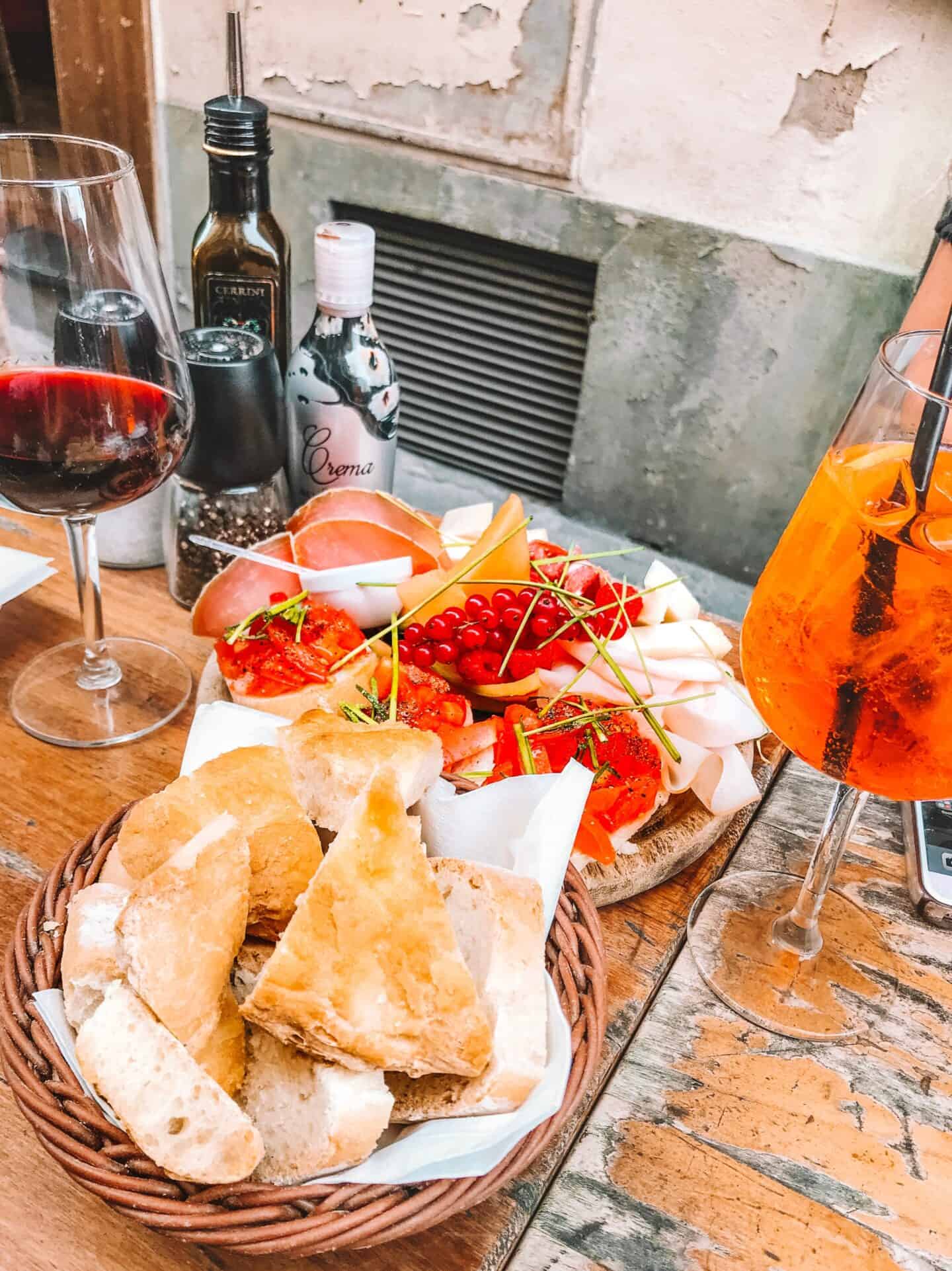
- Enjoy a local wine tasting in Rome 🍷
- Have dinner at La Campana – Rome’s oldest restaurant 🧀
👉🏼 Day 2 in Rome:
- Wander through the scenic Trastevere neighborhood and have breakfast at Pasticceria Valzani 🥐
- Embark on an afternoon food tour of Rome 🍕
- Tour the Vatican Museums and St. Peter’s Basilica ⛪️
- Enjoy an authentic Italian dinner at La Scala, a delicious restaurant in Trastevere 🍝
👉🏼 Day 3 in Rome:
- Walk through history on the Spanish Steps 🇪🇸
- Throw a coin in the Trevi Fountain 🪙
- Visit the Pantheon 🏛️
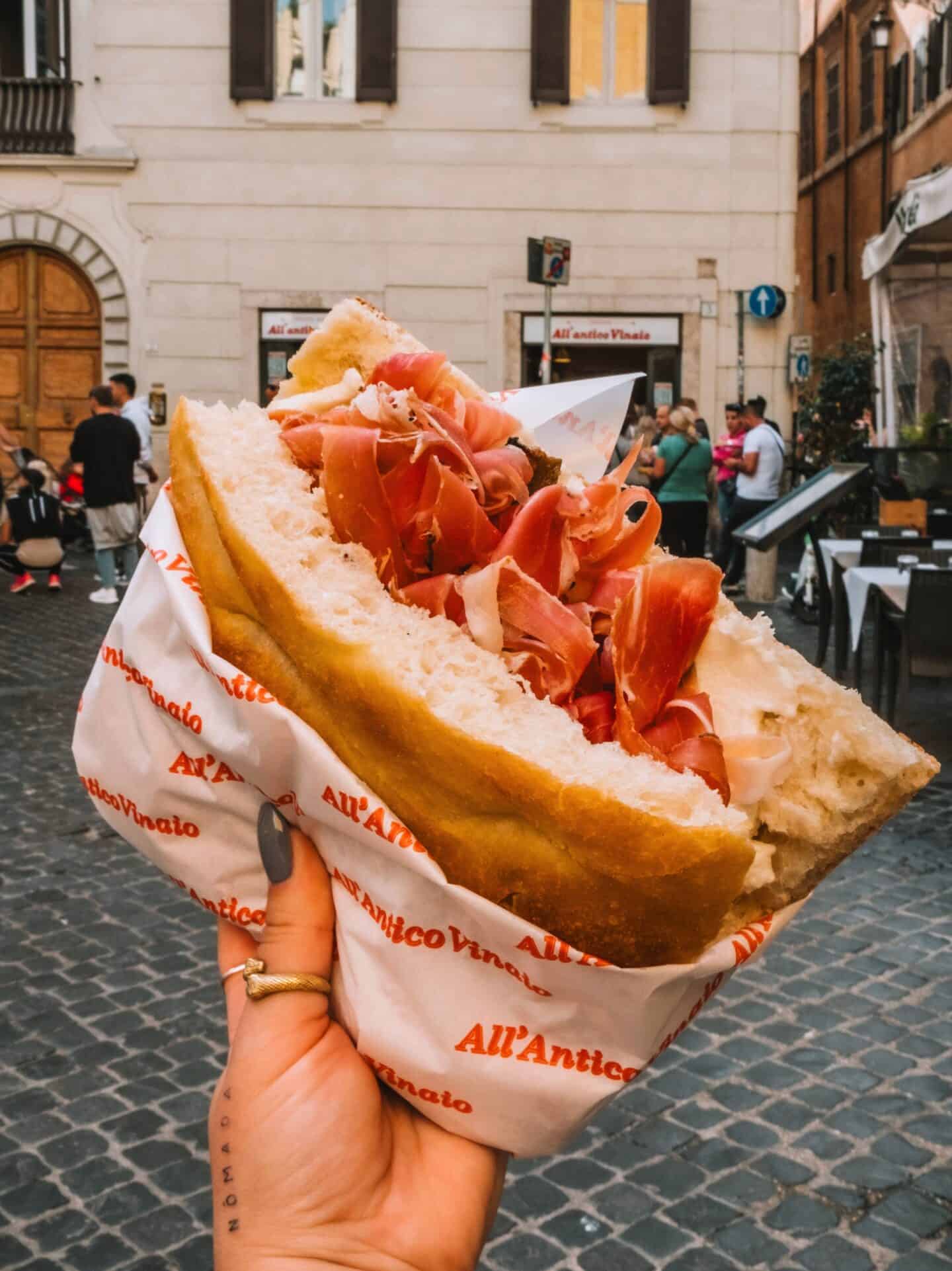
- Have a world-famous panino for lunch at All’antico Vinaio 🥪
- Try some of Rome’s best gelato at Frigidarium 🍨
- Head out for a night of partying on a Rome pub crawl 🍸
Day One: Colosseum & Roman Forum
Welcome to the beginning of your Rome in 3 days itinerary! Your first day in the Eternal City is dedicated to delving into its rich and vibrant history – starting at the world-famous Colosseum. After immersing yourself in the lives and deaths of ancient gladiators, you’ll explore the nearby Roman Forum – the heart of ancient Rome.
But wait, that’s not all for day one! Enjoy some of Rome’s tastiest eats, explore the towering Monumento Nazionale a Vittorio Emanuele II, and take in the sunset over panoramic views of Rome. The first day of your 3 day Rome itinerary will leave you likely exhausted, well-fed, and excited for the days to come!
Morning
Start your first morning off in Rome by eating breakfast like a local. It’s simple – walk out the door of your hotel and pick the first cafe you see. Head to the bar and order a “caffè” and a “cornetto” – A.K.A. a shot of espresso and a croissant. If you haven’t developed a taste for Italian espresso yet, order a “cappuccino,” a “caffè latte,” or a “caffè americano.”
Next, head down Via dei Fori Imperiali for your (hopefully) pre-booked Colosseum & Roman Forum tour.
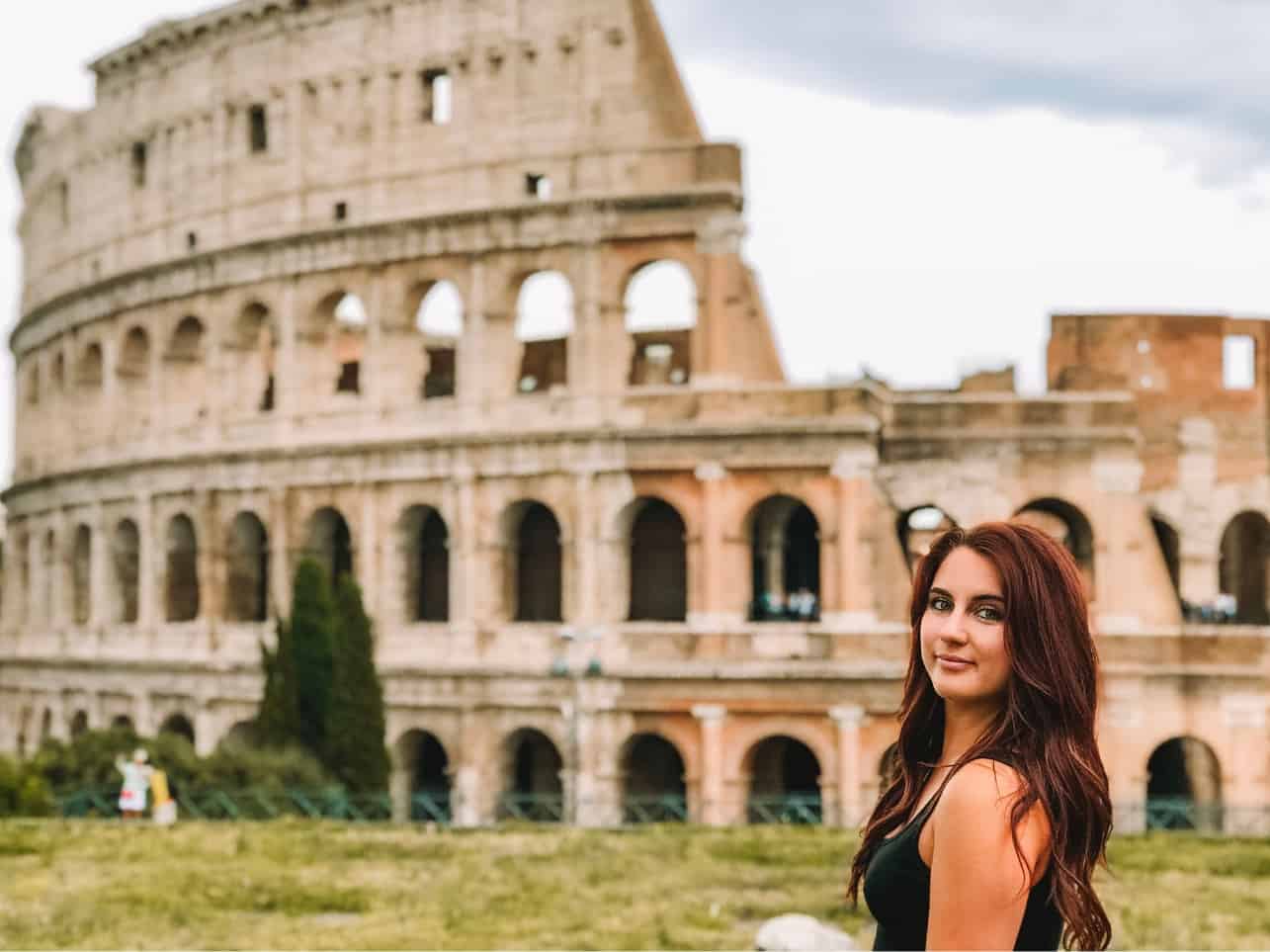
The Colosseum, or the Flavian Amphitheatre, is a testament to Rome’s architectural prowess and her historical prominence in shaping Western culture. Commissioned in 72 AD by Emperor Vespasian, it was completed under the rule of his son, Titus, eight years later. A marvel of engineering, the amphitheater could accommodate approximately 50,000–80,000 spectators attending a variety of public spectacles, including gladiatorial combat, mock naval battles, and dramas based on Classical mythology. The Colosseum stands today as an iconic symbol of ancient Rome’s grandeur and one of the top tourist destinations in the Eternal City.
I’ve visited the Colosseum twice during my time in Rome. To fully appreciate the historical depth and intricacies, I highly recommend booking a guided tour for your Rome in 3 days itinerary. Not only will you be able to skip the line (and potentially save yourself hours of waiting), but your tour guide will be an expert in Roman history and archaeology – providing you with a much more valuable and culturally rich experience than simply wandering around on your own.
👉🏼 Skip the line on this top-rated guided Colosseum & Roman Forum tour!
Afternoon
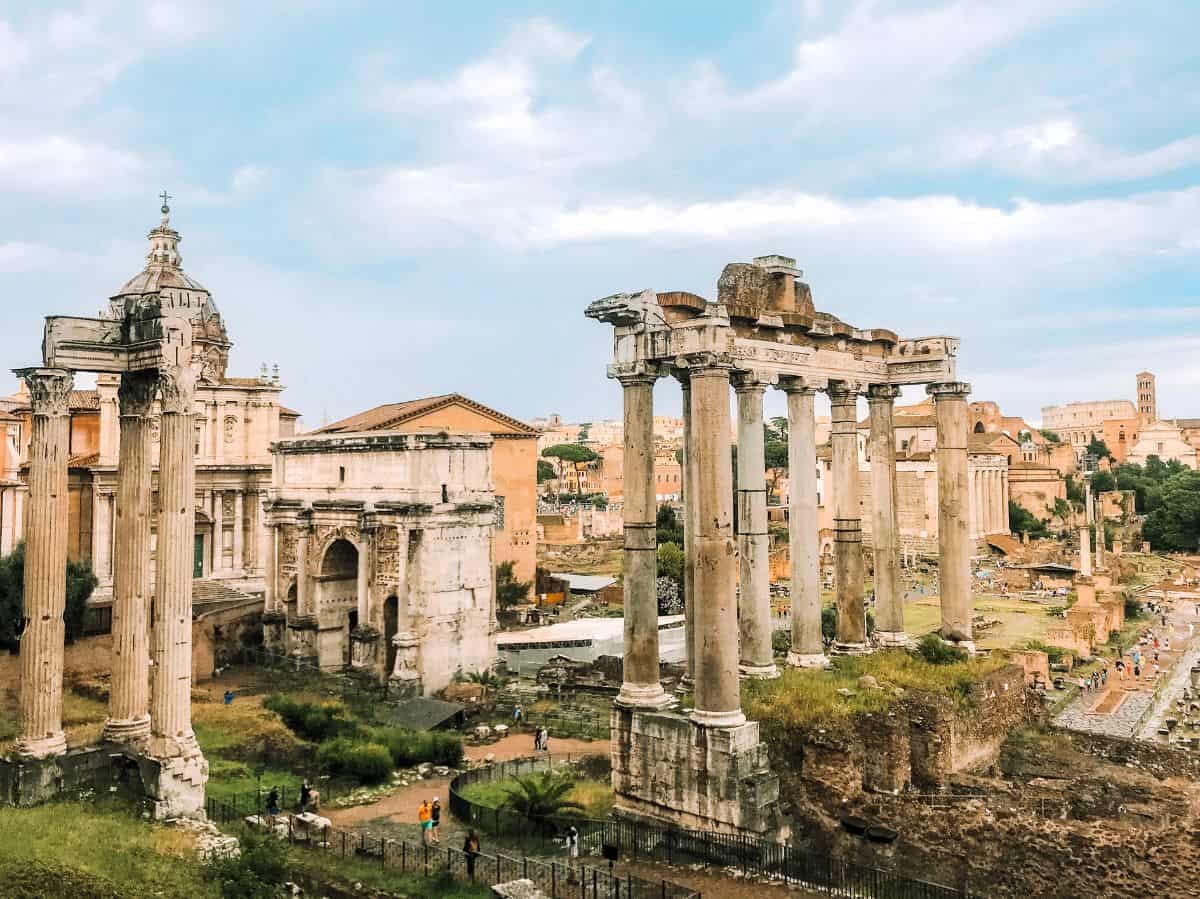
After your Colosseum tour, it’s time to head to your next historical exploration – the Roman Forum. This rectangular plaza, surrounded by the ruins of several important ancient government buildings, was once the center of the Roman Empire. It was here that triumphal processions took place, elections were held, public speeches were delivered, and commercial affairs were conducted. On the tour, your guide will walk you through the cobblestone paths, retelling the stories of the past and the vibrant political, legal, and social spectacles that once took place here. With your guide’s expertise, you’ll be able to visualize the grandeur of the Roman Empire that unfolded in this forum.
After your tour concludes, it’s time to head out for a delicious lunch in Rome.
Only a stone’s throw away from the Colosseum, you’ll find Trattoria Luzzi, a local eatery renowned for its authentic Italian dishes and an atmosphere that resonates with the Italian “la dolce vita.” Stop by for a plate of traditional carbonara (my favorite) or a Roman-style pizza fresh from the oven. Don’t forget to order a bottle of wine or two!
(If Trattoria Luzzi is too crowded, head to al42 by Pasta Chef Rione Monti for an affordable and tasty bite.)
👉🏼 Skip the line on this top-rated guided Colosseum & Roman Forum tour!
Evening
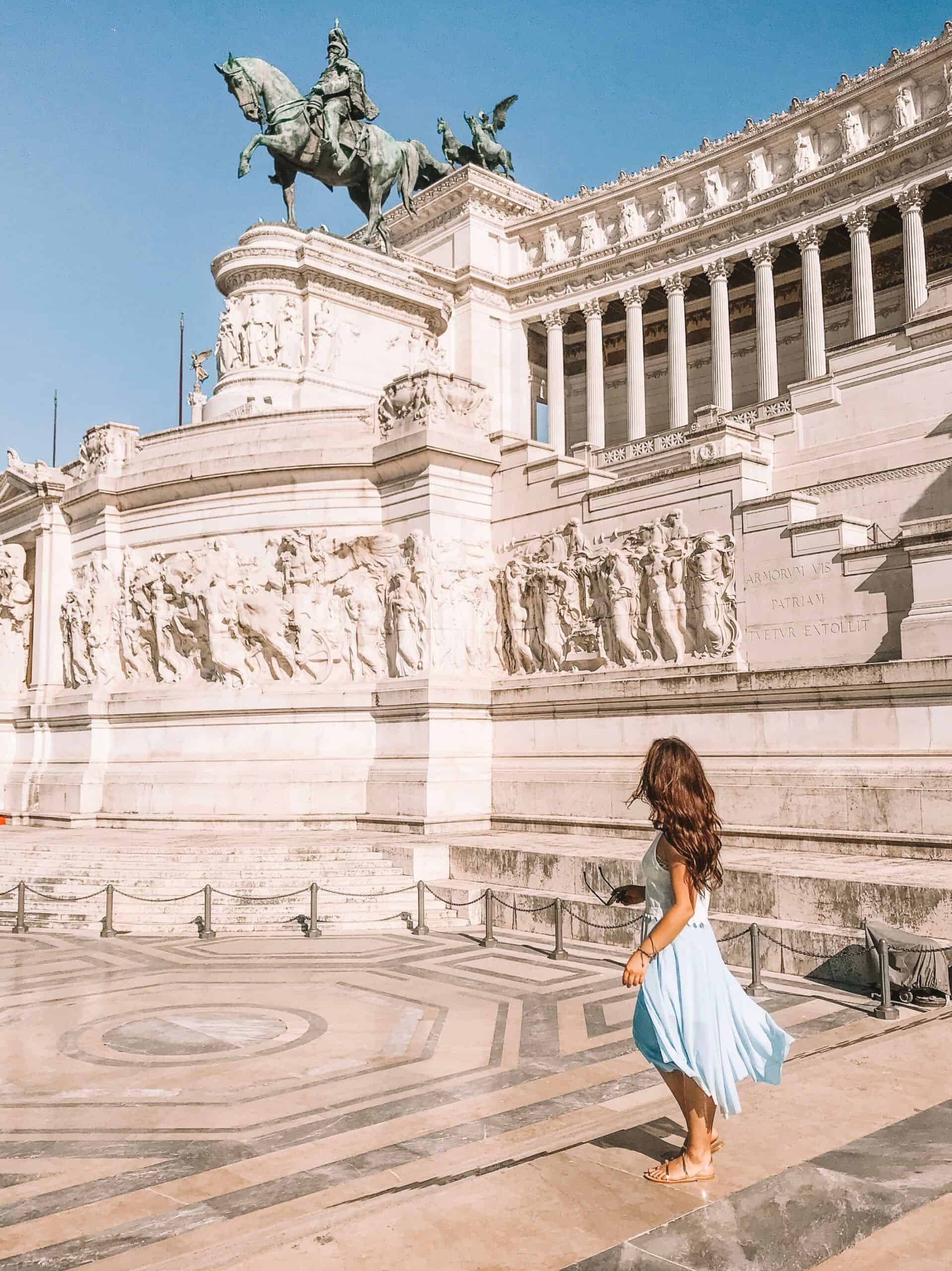
If you still have energy left after tours of the Colosseum and the Roman Forum (get those steps in girl! 👏🏼), your next stop is the Altare della Patria, also known as the Monumento Nazionale a Vittorio Emanuele II.
This iconic monument towers over Piazza Venezia and, if you pay €15 for access to the panoramic terrace, offers panoramic views over the Roman Forum, Colosseum, Palatine Hill, and Via del Corso. If you arrive around sunset, the city is bathed in a golden hue – that’s not a view you want to miss.
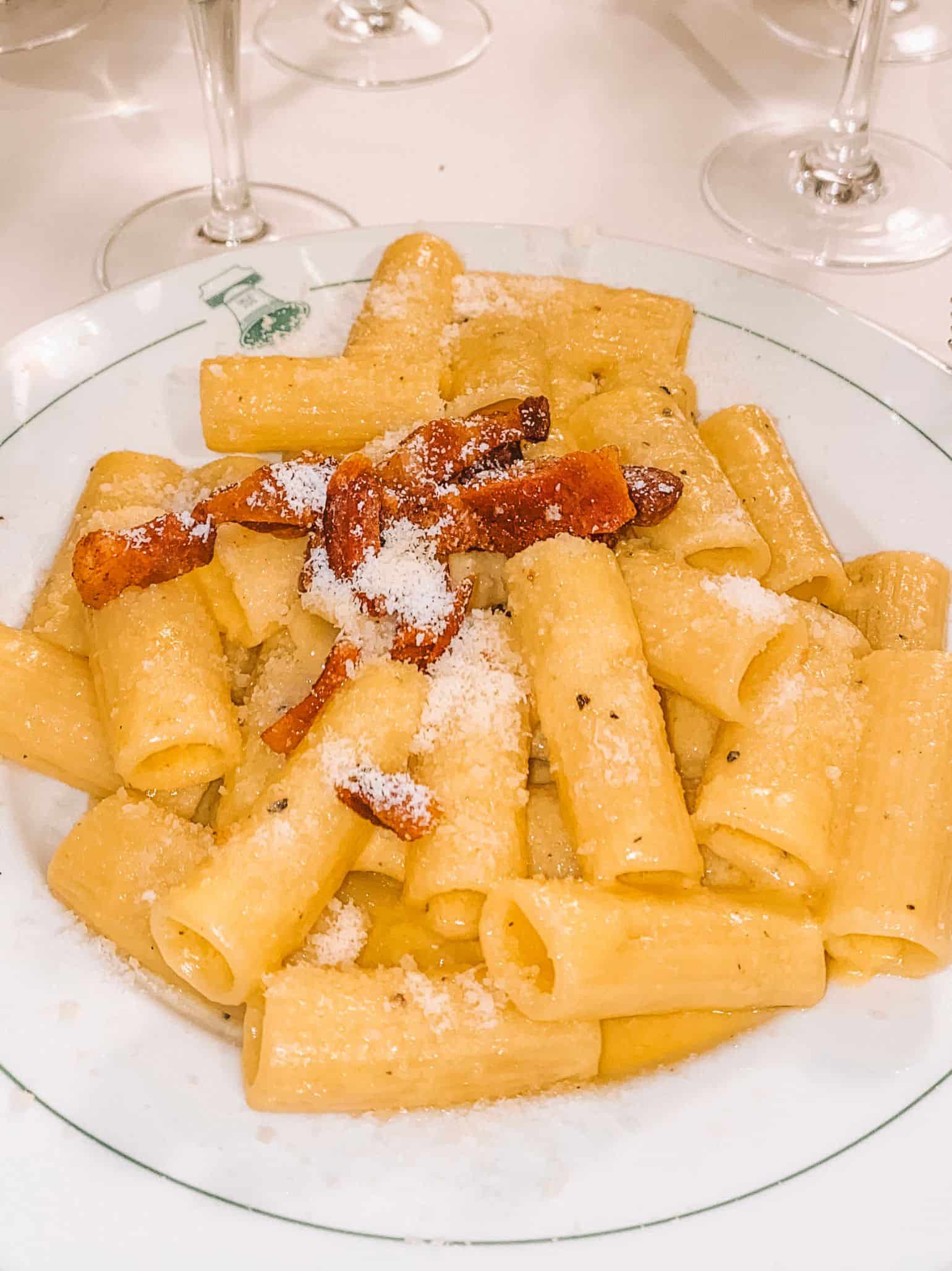
Once you’ve had your fill of the stunning views, it’s time to unwind and end your first day in Rome with a hearty meal at the oldest restaurant in the city, Ristorante La Campana. This historic eatery dates back to 1518 and has a charming, rustic atmosphere. Here, you can indulge in traditional Roman dishes, such as saltimbocca alla Romana (veal with ham and sage), carciofi alla Romana (Roman-style artichokes), and of course, a selection of exquisite Italian wines. It’s the perfect spot to reflect on the day’s adventures and recharge for the next two days in your Rome in 3 days itinerary.
If you plan to visit La Campana, be sure to make a reservation in advance. This restaurant is quite popular and can fill up quickly.
🍷 Book an italian Wine Tour:
If you’re still kicking after the Colosseum, Roman Forum, and Altare della Patria, consider adding in a local wine-tasting tour before dinner. This top-rated wine tour starts at 6:00 PM and lasts only an hour and a half, so by the time it ends at 7:30 PM, it’s the perfect time to head to La Campana for dinner!
Day Two: Trastevere & Vatican City
Day two in Rome begins in the enchanting neighborhood of Trastevere, a gem known for its narrow cobbled streets, local restaurant scene, and bohemian vibe. At 11:15 AM, you’ll meet across the river in Campo de’ Fiori for a delicious and informative street food tour of Rome.
Be sure to eat your fill, because your afternoon is dedicated to exploring historic Vatican City! Embark on a guided tour of this city-state, observing the magnificent sight of St. Peter’s Basilica, the awe-inspiring beauty of the Sistine Chapel, and the vast collection of art in Vatican Museums. As the day concludes, head back to Trastevere for a hearty meal at one of my favorite Trastevere restaurants – La Scala.
Like Florence’s Instagram spots, Rome definitely has its share of amazing photo ops. If you’re visiting Rome as a solo traveler, download my easy guide to solo travel photography to make sure you leave Rome with a camera full of amazing Italian content.
👉🏼 Click here to download my guide to solo travel photography!
Morning
Day two in Rome starts off with a visit to the renowned Pasticceria Valzani in the heart of Trastevere! Opened in 1925, this historic pasticceria is a local treasure and one of Rome’s best spots for a traditional Italian breakfast. You can’t leave without trying their maritozzi – a fresh cream-filled bun, or their Sacher Torte (widely regarded as the best in Rome). Sip on a rich Italian espresso as you get ready for another fun-filled day in Italy.
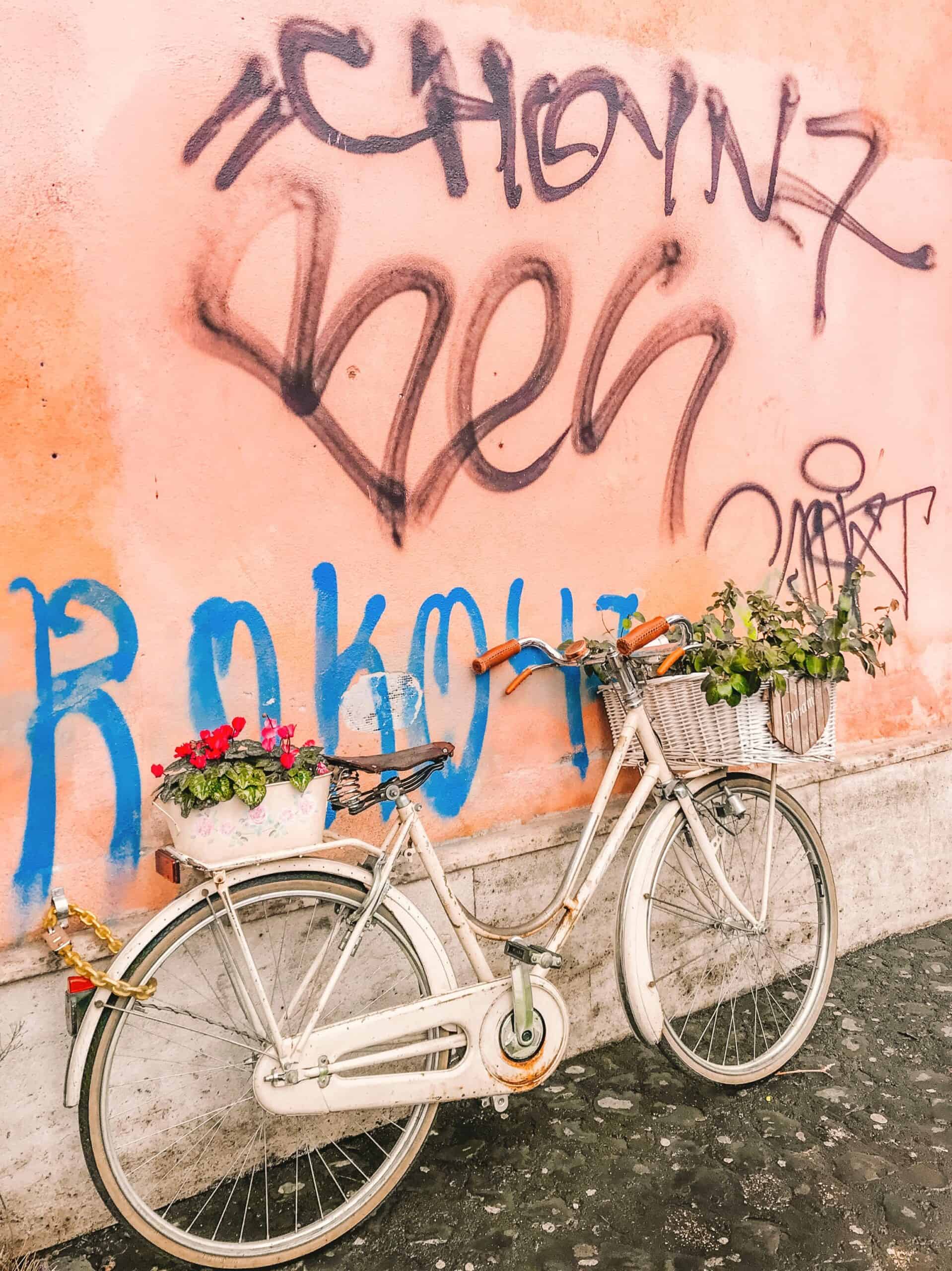
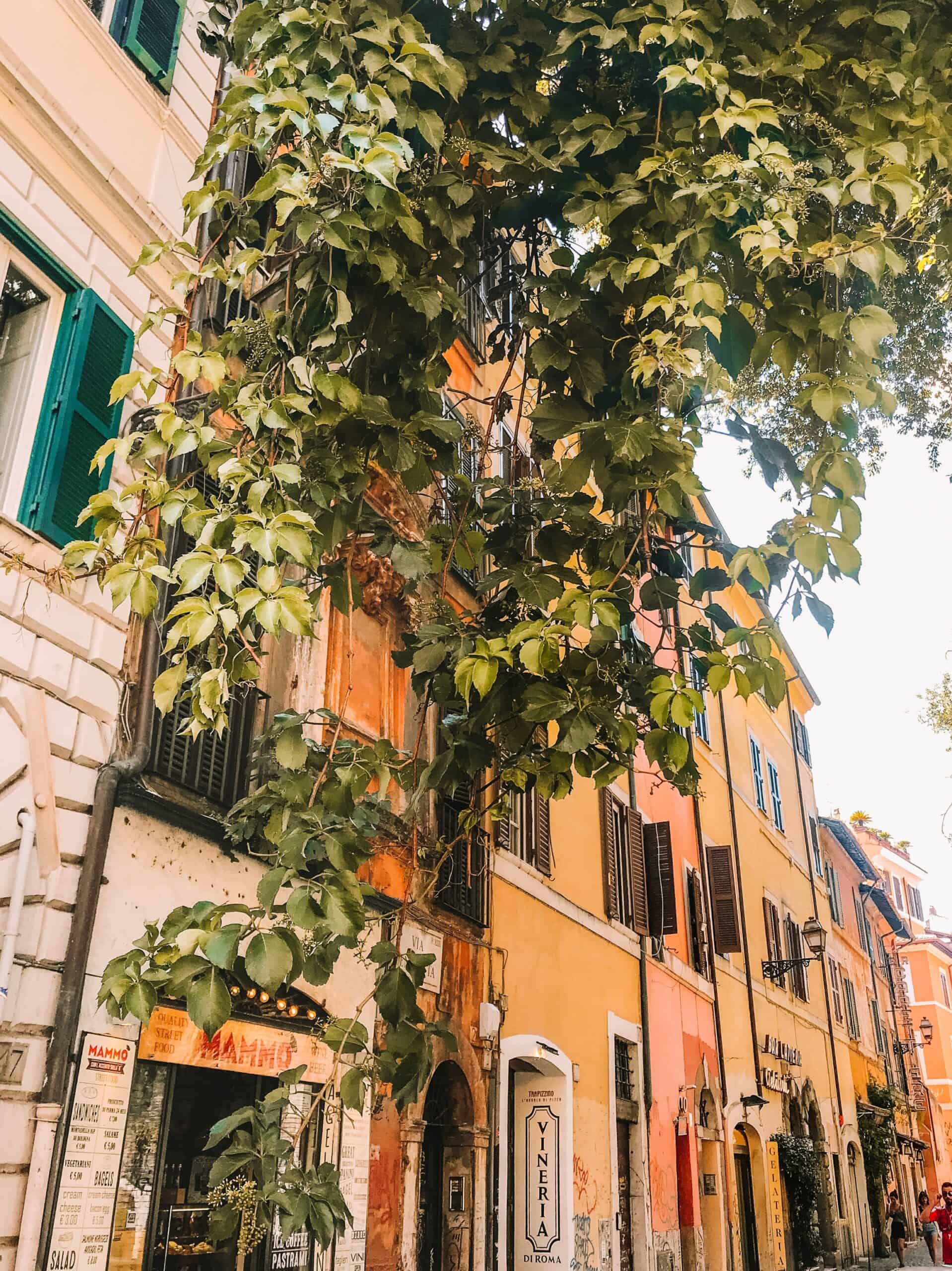
Following breakfast, take this opportunity to wander around the picturesque Trastevere neighborhood – my personal favorite neighborhood in Rome. This district, known for its narrow cobbled streets and ivy-laden buildings, is Rome’s trendiest neighborhood for a reason. Take a leisurely stroll through the labyrinth-like streets, discovering hidden alleyways and quaint piazzas. Notice the vibrant colors of the buildings, weathered by time but brimming with character. Trastevere is not just a place; it’s a feeling that encapsulates the essence of Rome.
Next, make your way across the Tiber to Campo de’ Fiori to meet your street food tour guide!
Afternoon
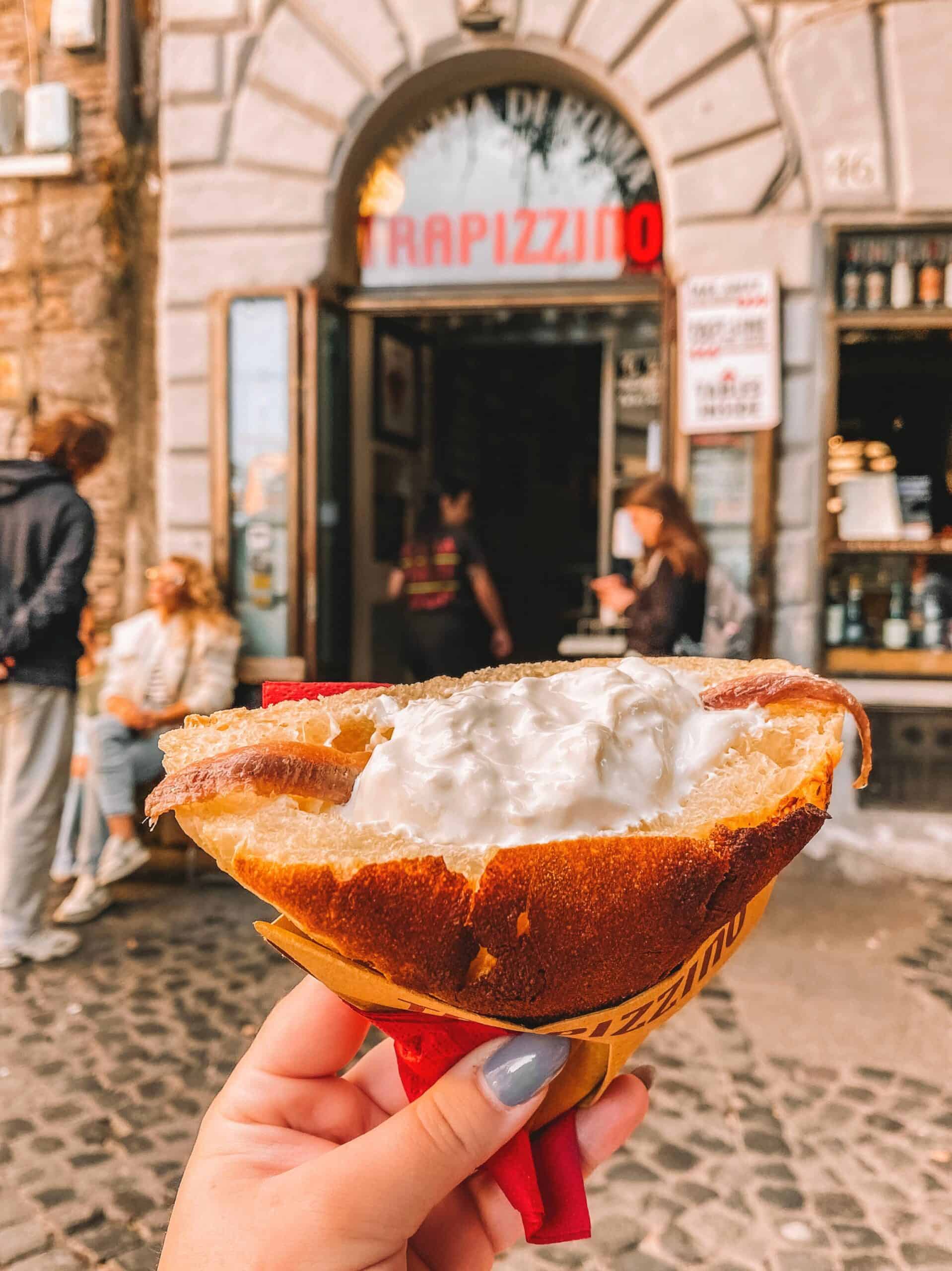
I hope you’re getting hungry because your second afternoon in Rome is designed to tantalize your taste buds with a guided culinary journey through the heart of Rome. Your Roman street food tour begins at the bustling Campo de’ Fiori, a marketplace in the daytime that transforms into a lively hub in the evenings. Here, your guide will introduce you to a variety of mouth-watering Roman favorites.
Prepare to have your mind blown by the delicious suppli, an addictive Roman snack consisting of a breaded exterior filled with mozzarella and marinara-drenched risotto. You’ll sample zucchini flowers stuffed with a flavorful blend of herbs and mozzarella and fried to crispy perfection. You’ll be offered the chance to try Rome’s famous pizza al taglio, a rectangular slice of pizza sold by weight and topped with an array of fresh ingredients. Of course, be sure to save room for a delicious gelato at the end!
Street food tours and cooking classes are two of my favorite activities to book while exploring a new destination. This tour will fully immerse you in Rome’s culinary scene and is a perfect activity for exploring Rome in 3 days!
👉🏼 Book your street food tour of Rome here!

Evening
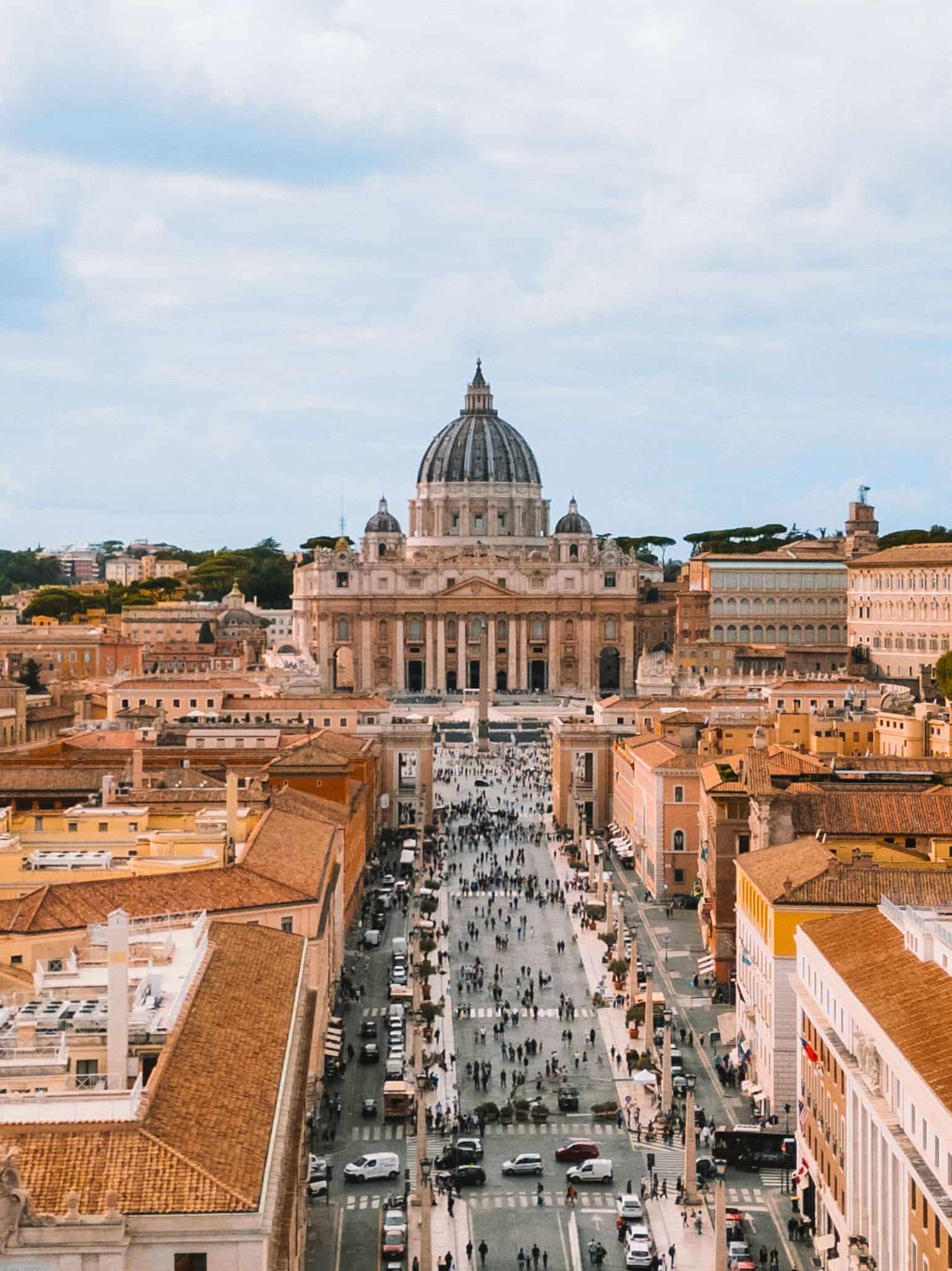
Your second evening in Rome calls for a memorable tour of Vatican City, the world’s smallest independent city-state renowned for its cultural treasures.
Start your guided tour of Vatican City with the stunning Vatican Museums, home to an exceptional array of classical sculptures and Renaissance art. Wandering through the vast corridors, marvel at the captivating tapestries and antique maps that capture the essence of Italy. The piece de resistance, however, is undoubtedly the Sistine Chapel. Your guide will offer plenty of interesting information about Michelangelo’s masterful frescoes, including “The Last Judgement” and “The Creation of Adam.”
Next, prepare to be awed as you step into St. Peter’s Basilica, one of the world’s largest and most important Catholic shrines in the world. The Basilica is a masterpiece of Renaissance architecture, with its towering dome designed by Michelangelo himself. The evening draws to a close as you ascend to the cupola of the Basilica for a panoramic view of Rome under twinkling stars.
👉🏼 Skip the line and save yourself hours of waiting with this top-rated Vatican City guided tour
including the Sistine Chapel and St. Peter’s Basilica!
Your guided tour of the Vatican has undoubtedly stirred up quite the appetite, but don’t fret – it’s time to head to dinner at one of the best restaurants in Trastevere, La Scala.
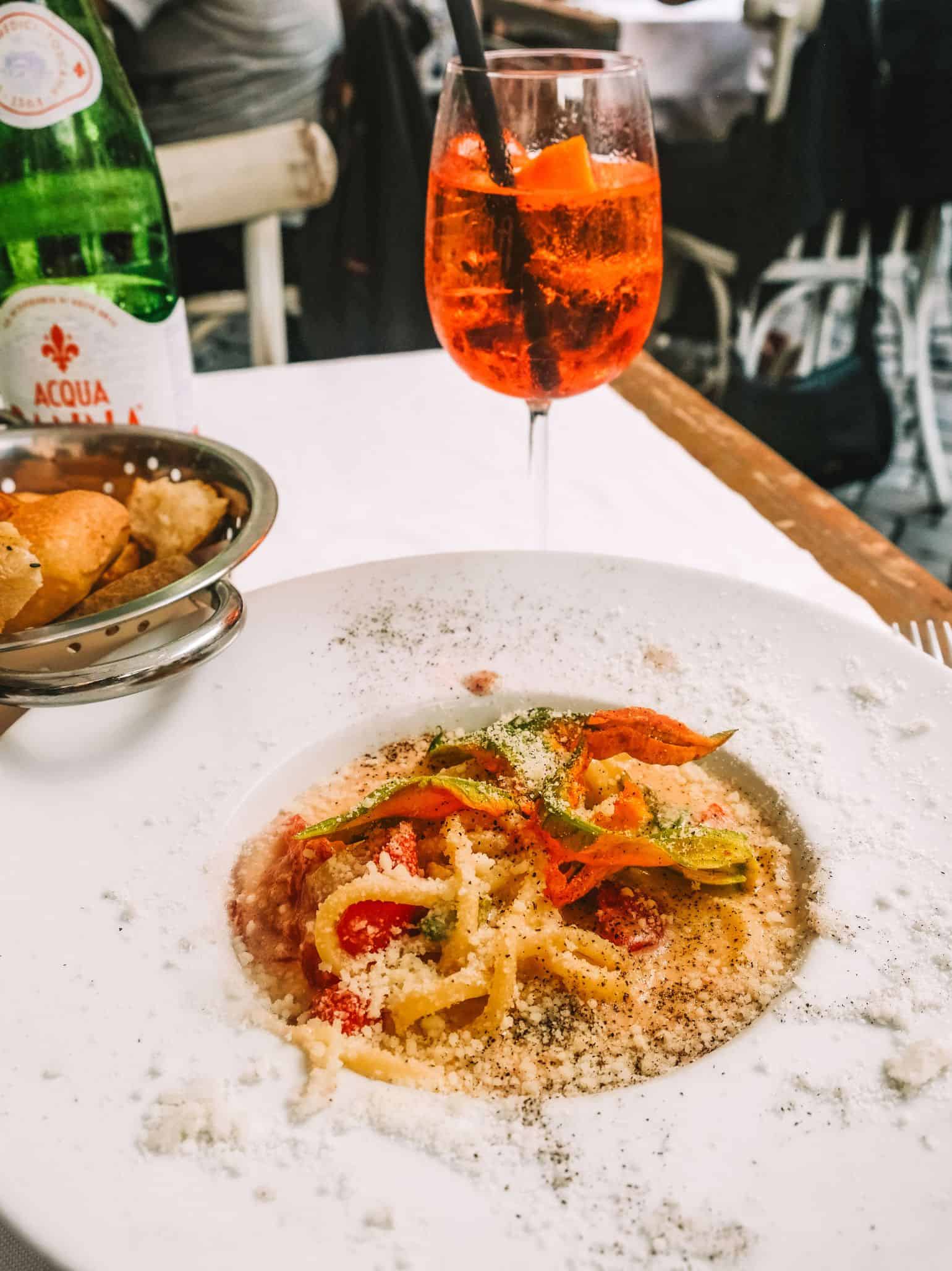
This charming restaurant boasts traditional Roman cuisine and uses only the freshest ingredients. Try their signature dish, spaghetti carbonara (I like it with zucchini flowers and cherry tomatoes), and pair it with a glass of Italian wine for the perfect end to your second evening in Rome. If you’re not ready to end the night, head to Bar San Calisto for an evening of affordable drinks with the locals!
Day Three: Trevi Fountain & Pantheon
Day three of your trip to Rome in 3 days will commence with a visit to the Spanish Steps. From there, you’ll head to the mesmerizing Trevi Fountain, Rome’s largest Baroque fountain.
Next up, a short stroll will lead you to the grandeur of the Pantheon, an architectural marvel that has stood the test of time. After a quick tour of the inside of its magnificent dome and the oculus, you’ll enjoy one of the best sandwiches in the world at All’antico Vinaio.
The day will unfold further with a leisurely walk around Piazza Navona, gelato at one of the best gelaterias in Rome, and a delicious dinner on the outskirts of Trastevere.
Ready? Let’s dive in.
Morning
Start your third day in Rome with breakfast at Hosteria del Mercato, a cozy and vibrant café located only a short, four-minute walk from the Spanish Steps. They serve a wide variety of tasty breakfast items, including sweet pastries, eggs, different types of toast, or a continental breakfast. They even have a juice menu!
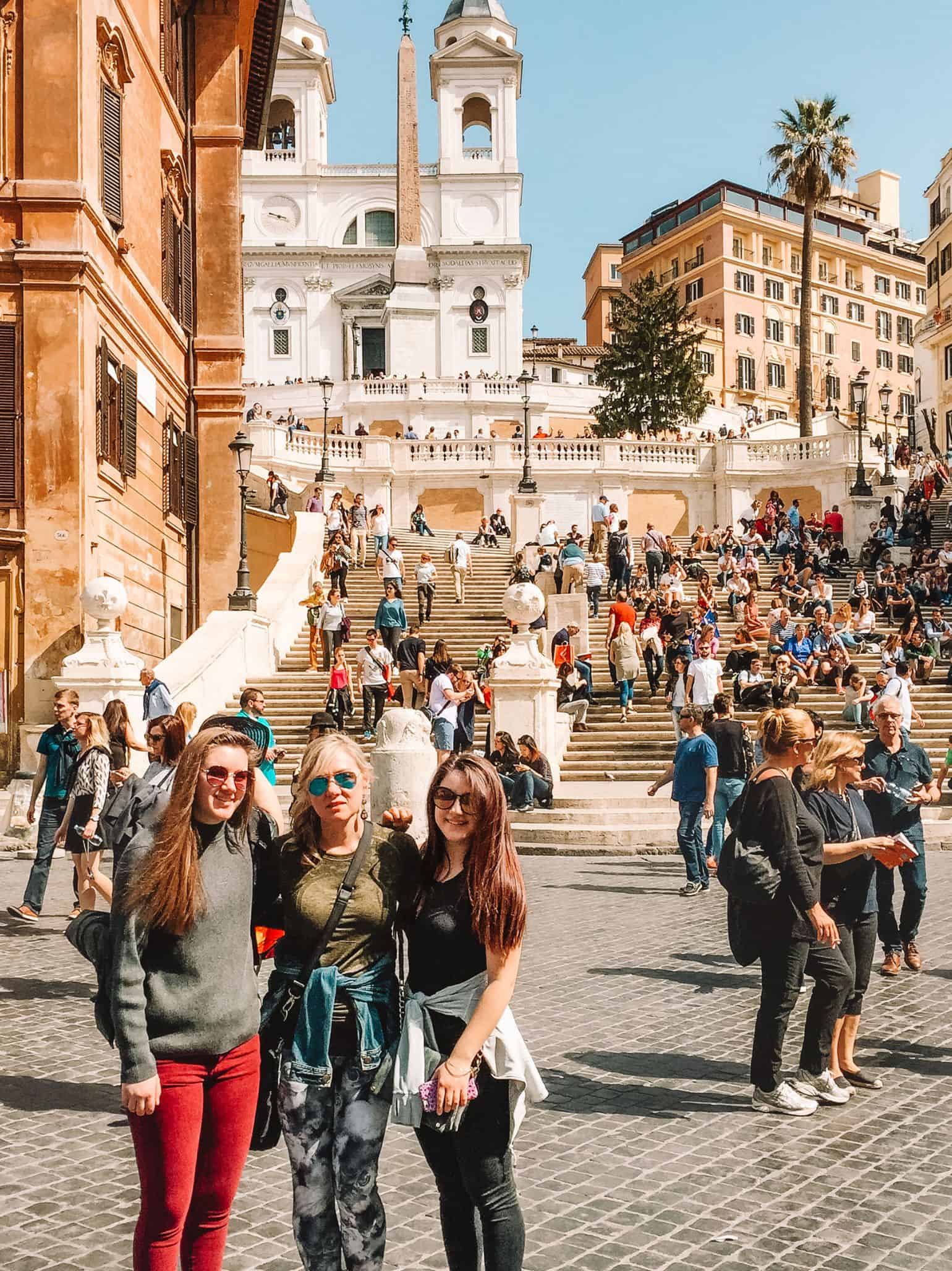
After a hearty breakfast, walk towards Piazza di Spagna – home to the iconic Spanish Steps. As one of Rome’s most recognized landmarks, the Spanish Steps offer an exceptional view of the city from its summit, making it a popular spot for photos. The steps fan out in a beautiful symmetrical pattern, leading up to the Trinità dei Monti church at the top, adding to the charm of the square. Linger around, absorb the bustling atmosphere, or sit on the steps to people-watch for a bit.
Afternoon
Once you’ve taken in the charm of the Spanish Steps, it’s time to explore another famous Roman landmark – the Trevi Fountain.
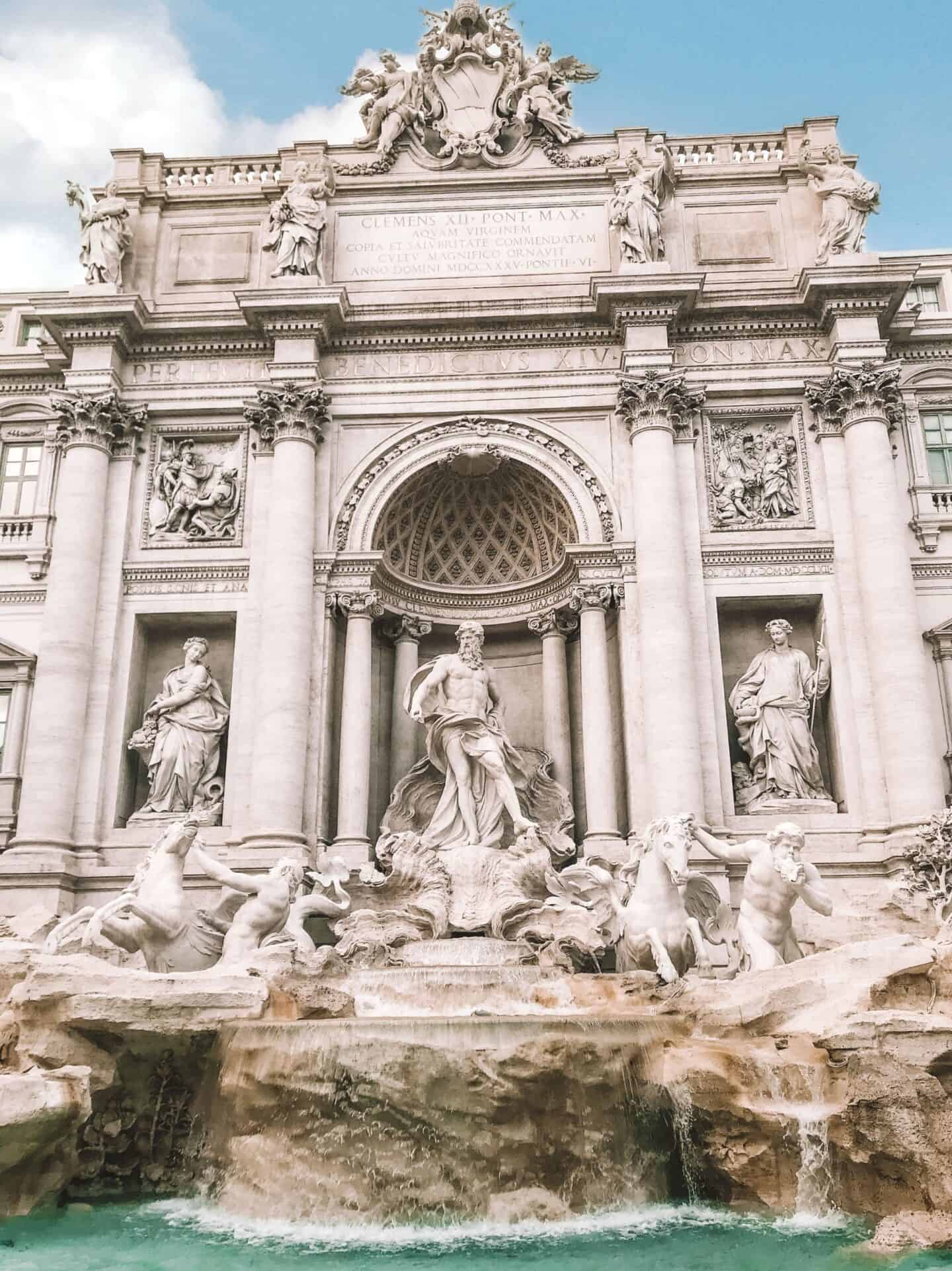
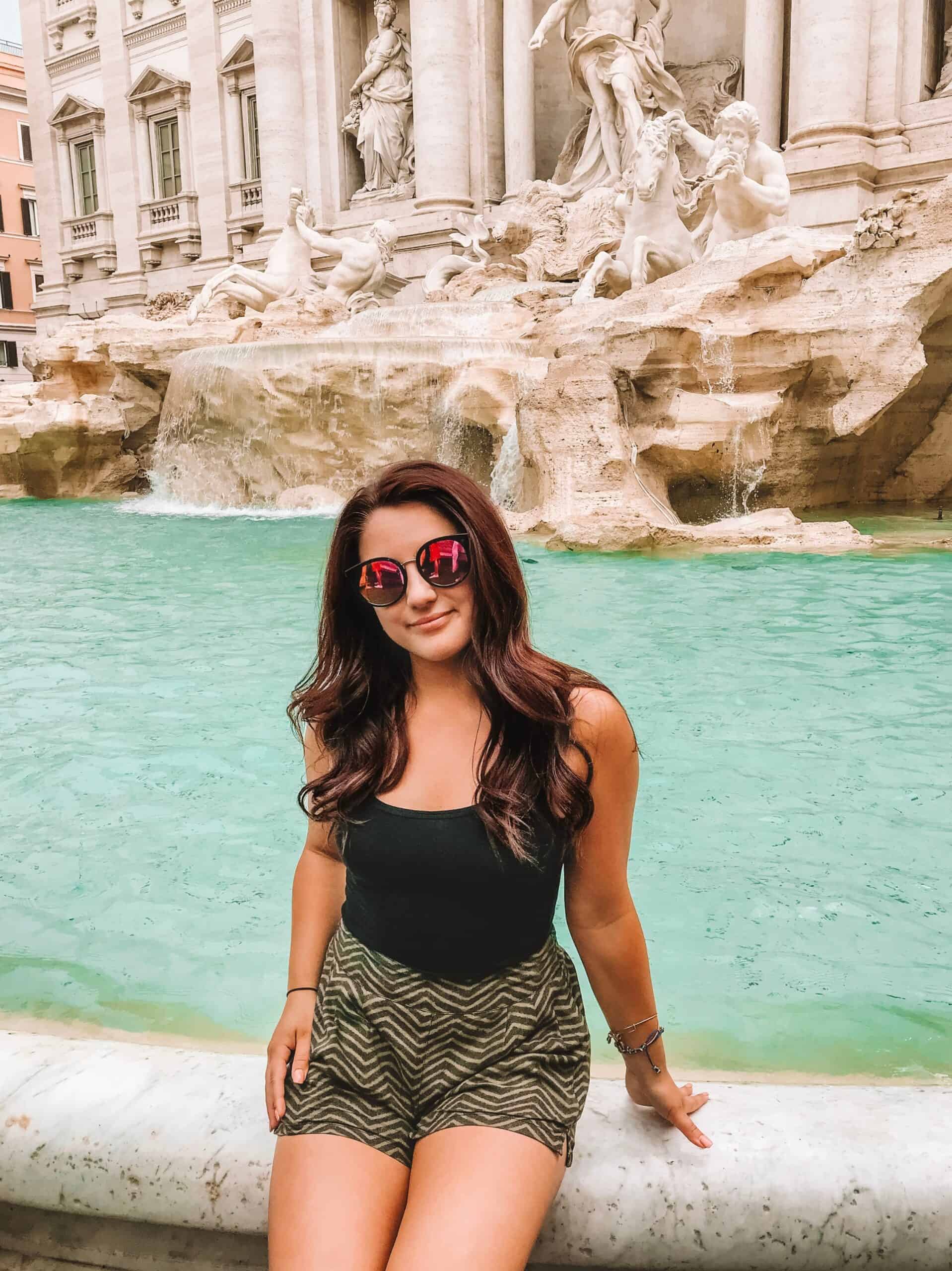
The sound of rushing water and a large crowd will greet you even before the monument comes into view. The Trevi Fountain, an iconic symbol of Rome, is a grand spectacle to behold. Throw a coin into the fountain to ensure your return to Rome, as the legend suggests. It’s a fitting ritual to mark the last day of your first time in Rome itinerary!
Be warned: the Trevi Fountain is a notorious spot for pickpockets. Keep your eye on your belongings, or better yet, invest in a theft-proof travel bag before leaving for Rome.
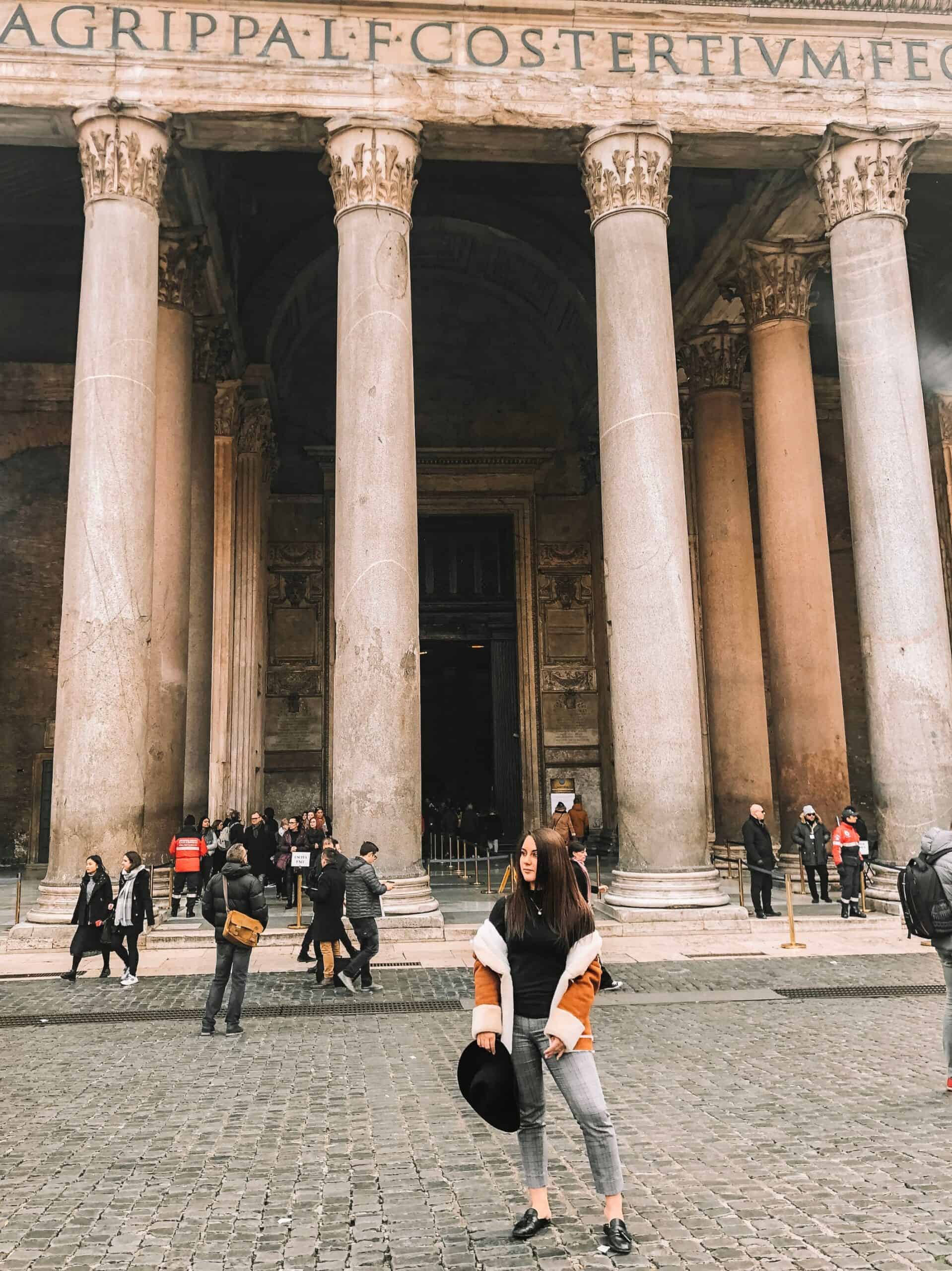
Once you’ve tossed your coin, it’s time to head to the Pantheon – only a short walk away. This architectural marvel, built as a temple for all Roman gods, is the best-preserved monument from ancient Rome. Its massive dome, featuring an open oculus, is a sight to behold. Remember, the Pantheon is still an active church, so dress modestly – shoulders and knees should be covered.
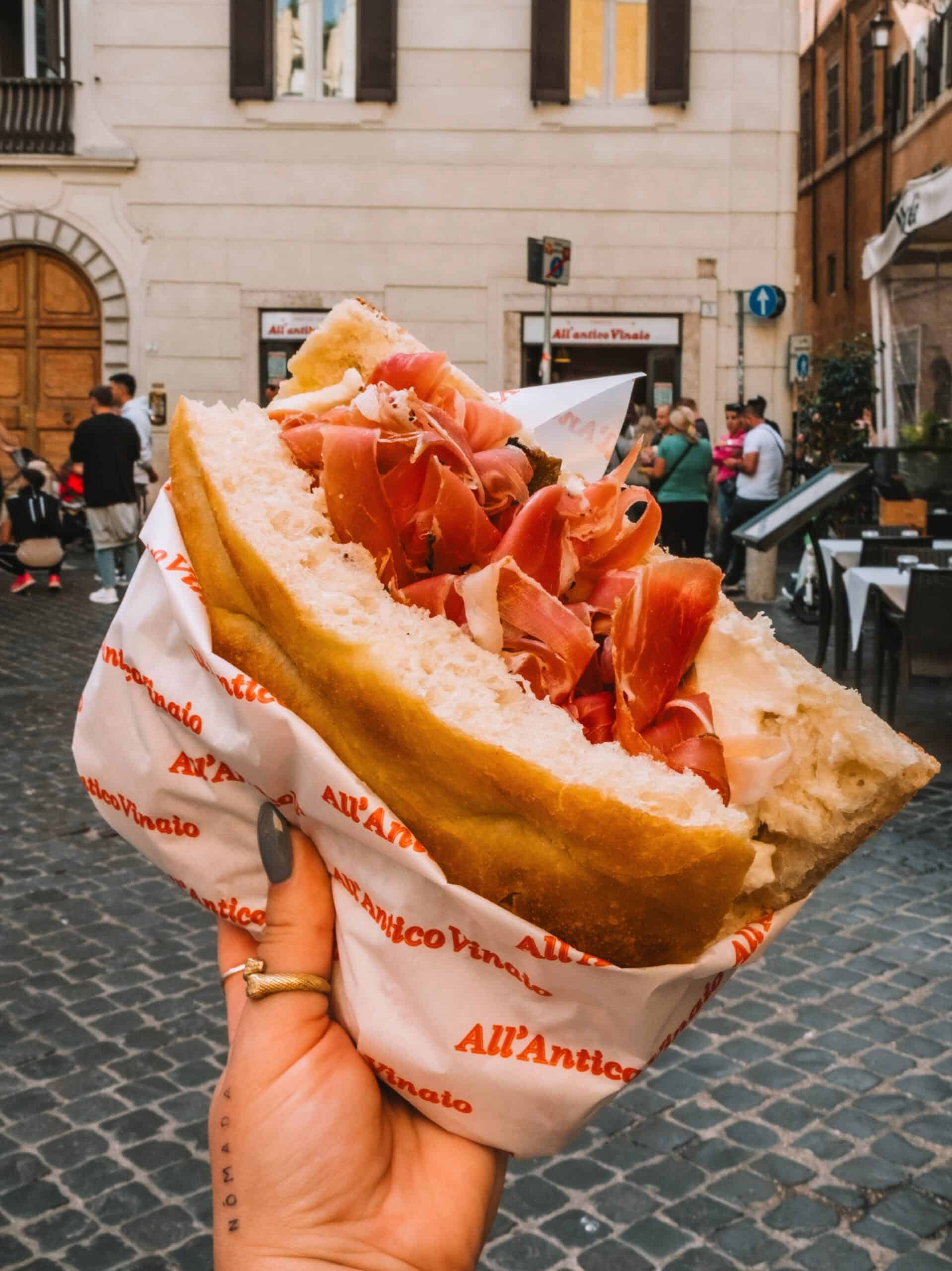
Once you’ve marveled at the majesty of the Pantheon, it’s time to grab a bite at All’Antico Vinaio, widely regarded as the site of the best sandwiches in the world. During my last visit, I decided to order the Tartufo 2 which was piled high with truffle prosciutto, pecorino cream, and spicy eggplant. It was *chef’s kiss * divine.
Evening
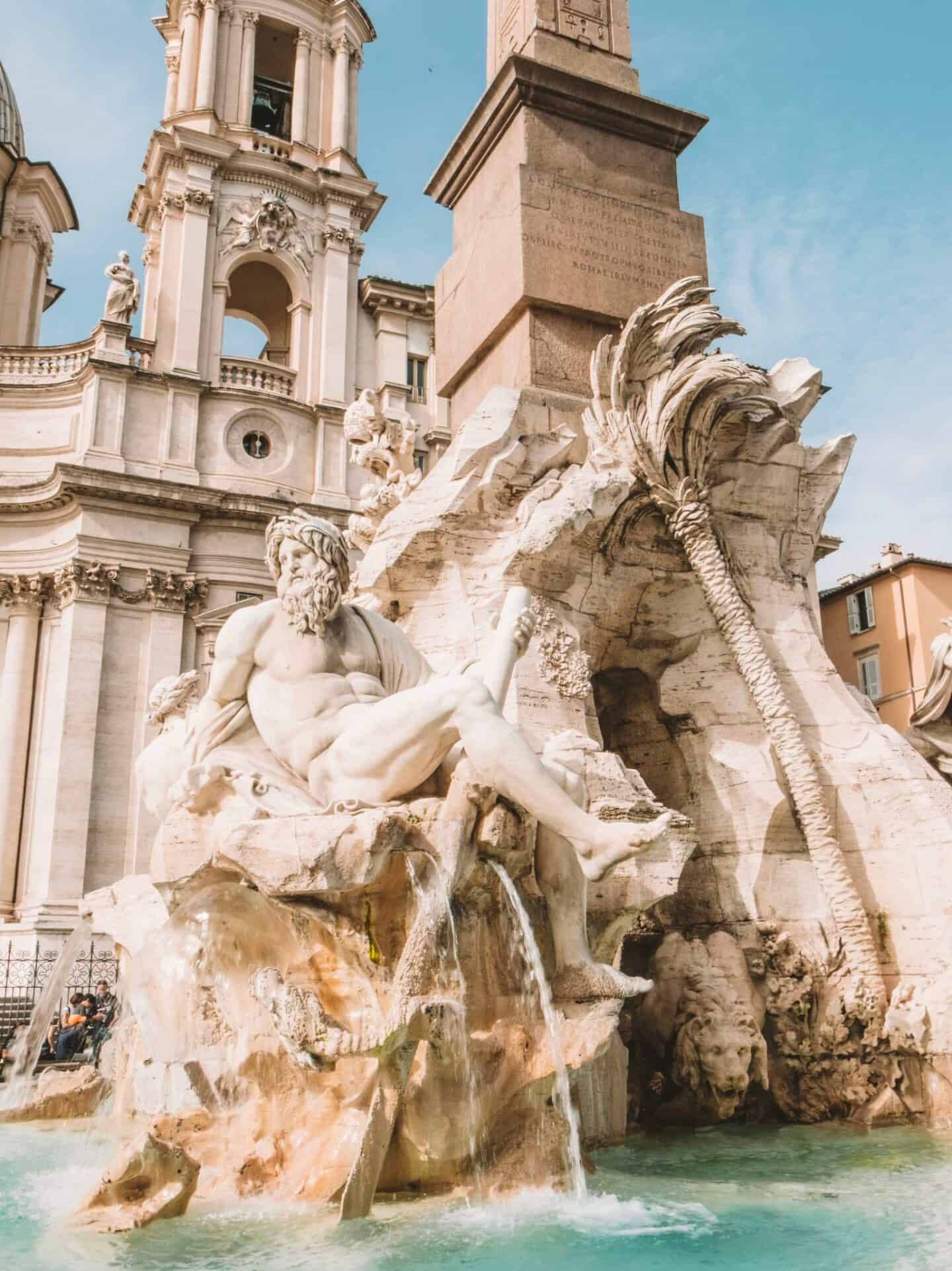
On your last evening in Rome, take a leisurely stroll towards Piazza Navona and the beautiful Fontana della Barcaccia. Steeped in history dating back to 86 AD, this public space was once the Stadium of Domitian where ancient Romans flocked to witness games.
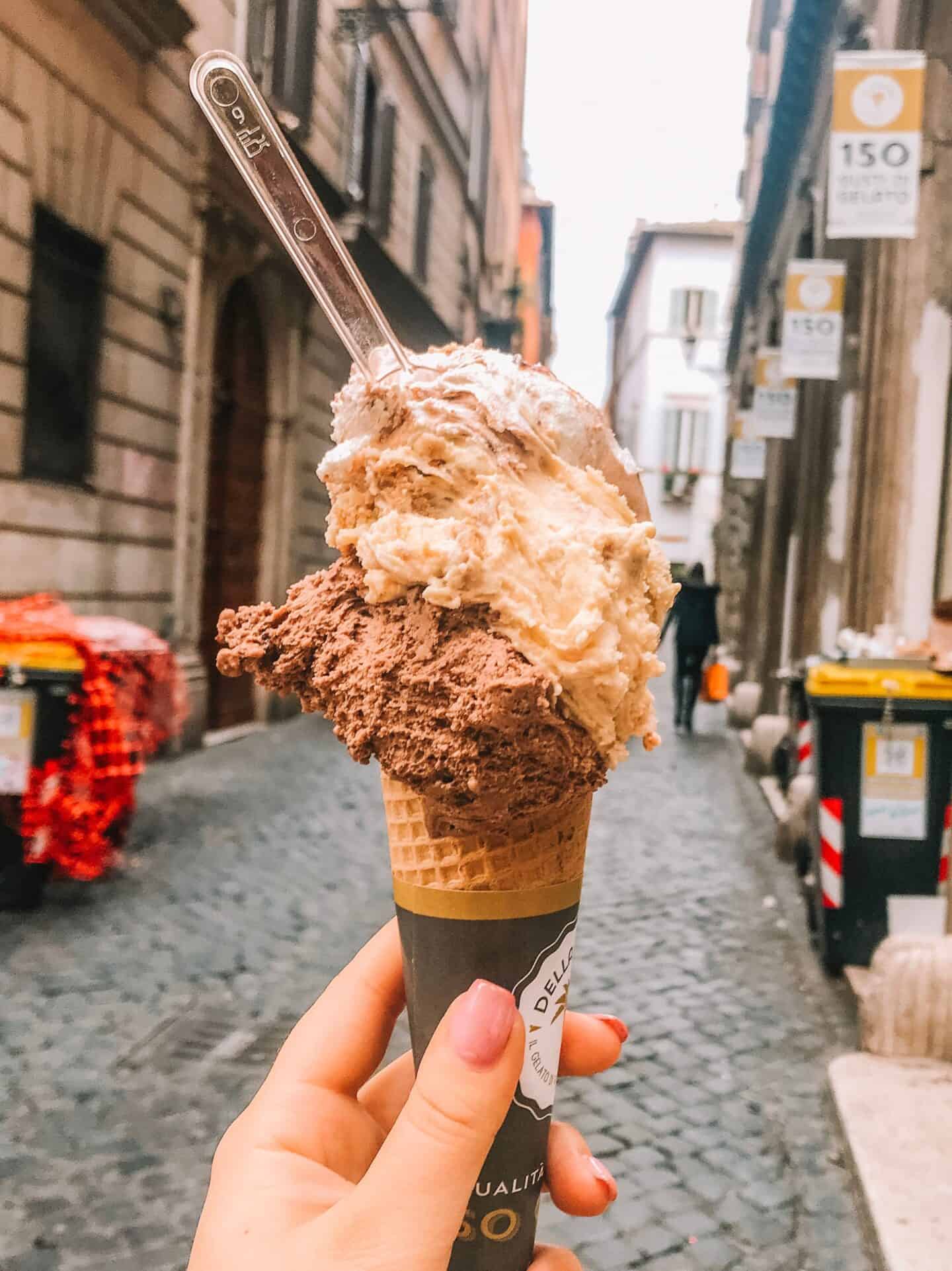
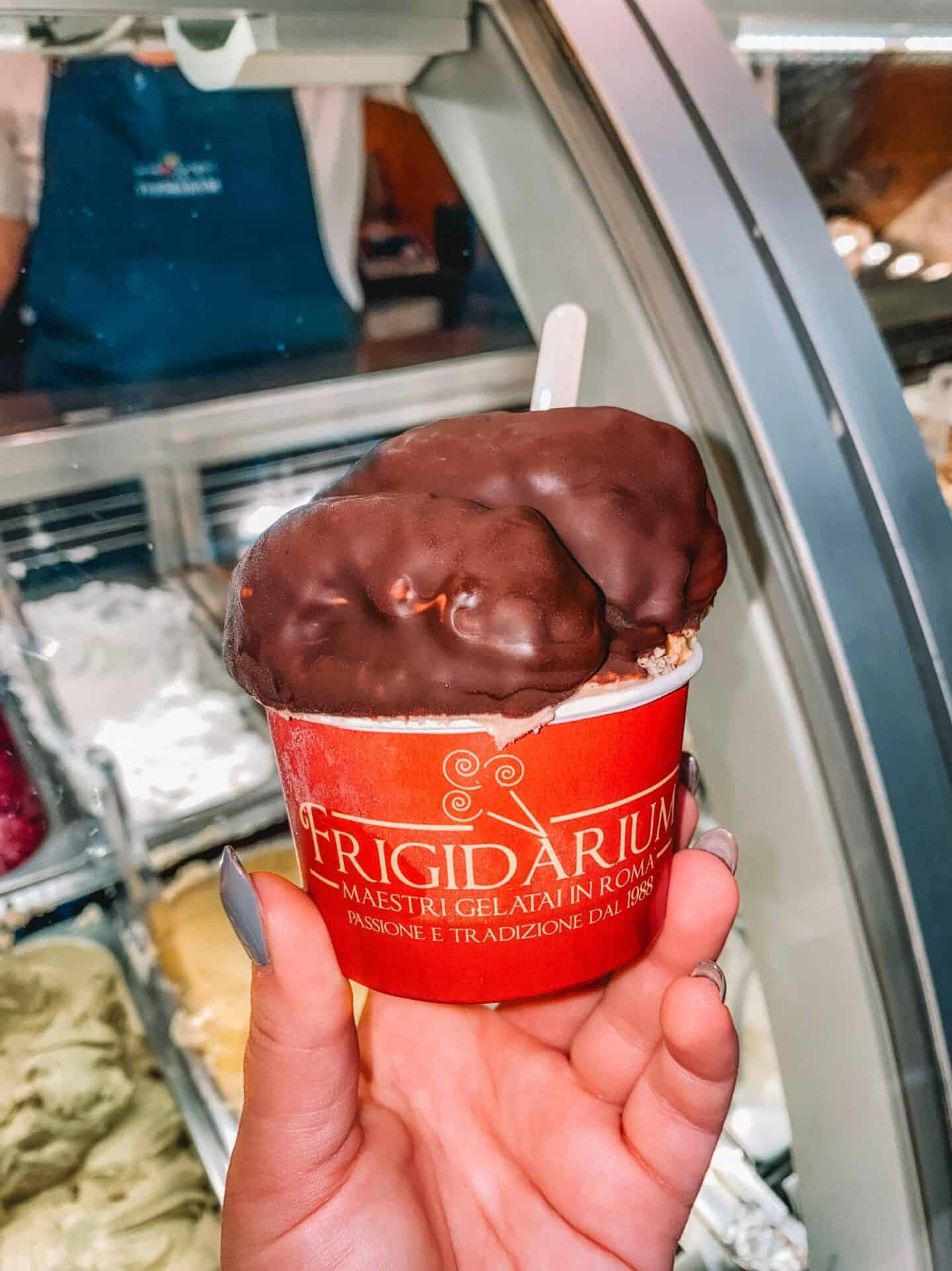
Wander through Piazza Navona and get ready to sample the best gelato in Rome at Frigidarium. Known for its diverse range of flavors and creamy texture, Frigidarium’s gelato is a sweet treat that is perfect for cooling off after a long day of exploring Rome. During my study abroad semester in Rome, you’d find me there at least three times a week indulging in delicious Nutella-flavored gelato dipped in rich chocolate.
Let’s be honest, when in Rome…dessert before dinner is always a good choice.
As evening descends on your final day in Rome, find your way to Trattoria da Teo, one of the best restaurants in the city. This local gem offers a menu that epitomizes Roman culinary tradition. Whether you opt for a plate of delicious cacio e pepe or pasta heaped with fresh seafood (or both!), you’re going to remember this meal for years to come. Just be sure to make a reservation, this restaurant is very popular.
🍸 Book a Rome Pub Crawl:
If you’re ready to end your Rome three day itinerary with a bang – book yourself and your travel buddies on an iconic Rome Pub Crawl to explore all the best nightlife hotspots in the city! This top-rated tour includes all alcoholic beverages in the booking price and takes you out in some of the best neighborhoods in Rome.
Protect Your Trip to Rome
**I receive a fee when you get a quote from World Nomads using this link. I do not represent World Nomads. This is not a recommendation to buy travel insurance.
Whenever I plan a trip, I always make sure to protect myself and my wallet with trip insurance. In the past, I’ve had very good experiences with World Nomads. During my trip to Chiang Mai in 2019, I had an unfortunate ankle-spraining incident that turned into a hospital visit with X-Rays, crutches and physical therapy. When I submitted my claim to World Nomads, I was reimbursed within weeks.
World Nomads offers simple and flexible travel insurance. Buy at home or while traveling and claim online from anywhere in the world! Click below to get a quote for your next trip.
👉🏼 Get your quote for trip insurance here!

Stay Connected with an Italian eSIM
The best thing you can do to stay safe as a solo female traveler is to purchase a reliable data plan while traveling, and Italy is no exception. Thankfully, purchasing and installing an eSIM has never been easier than with Airalo! Simply choose your plan, pay, and follow the installation instructions to start using data ASAP in Rome.
Choose between the Italian data plans below.
- Mamma Mia 1GB for 7 Days
- Mamma Mia 2GB for 15 Days
- Mamma Mia 3GB for 30 Days
- Mamma Mia 5GB for 30 Days
- Mamma Mia 10GB for 30 Days
- Mamma Mia 20GB for 30 Days
Remember, data doesn’t do you any good if your phone is dead. I always recommend investing in a reliable portable charger, like this Anker bank.
Where To Stay in Rome
Whether you’re planning a luxurious getaway or traveling on a shoestring budget, my guide to 3 days in Rome includes the best accommodations for all price ranges! From boutique hotels to budget hostels, Rome offers a variety of comfortable lodging options to make your Roman holiday both memorable and attainable.
📍 Budget-Friendly: Alessandro Palace & Hostel
Alessandro Palace & Hostel is my favorite hostel in Rome for the money. The rooms are basic but clean, and they offer a variety of dorm sizes as well as private rooms for the bougie solo traveler. The staff is kind and accommodating and there is a social bar in the lobby where they host the beginning of their legendary “night out” parties (which are basically pub crawls).
The only downside is the location in Esquilino, but unfortunately, almost all of the hostels are located in that area – so you don’t have many choices. It’s also right around the corner from Termini Station, so guests have plenty of public transit options.
📍Mid-Level: Boutique Hotel Campo de’ Fiori
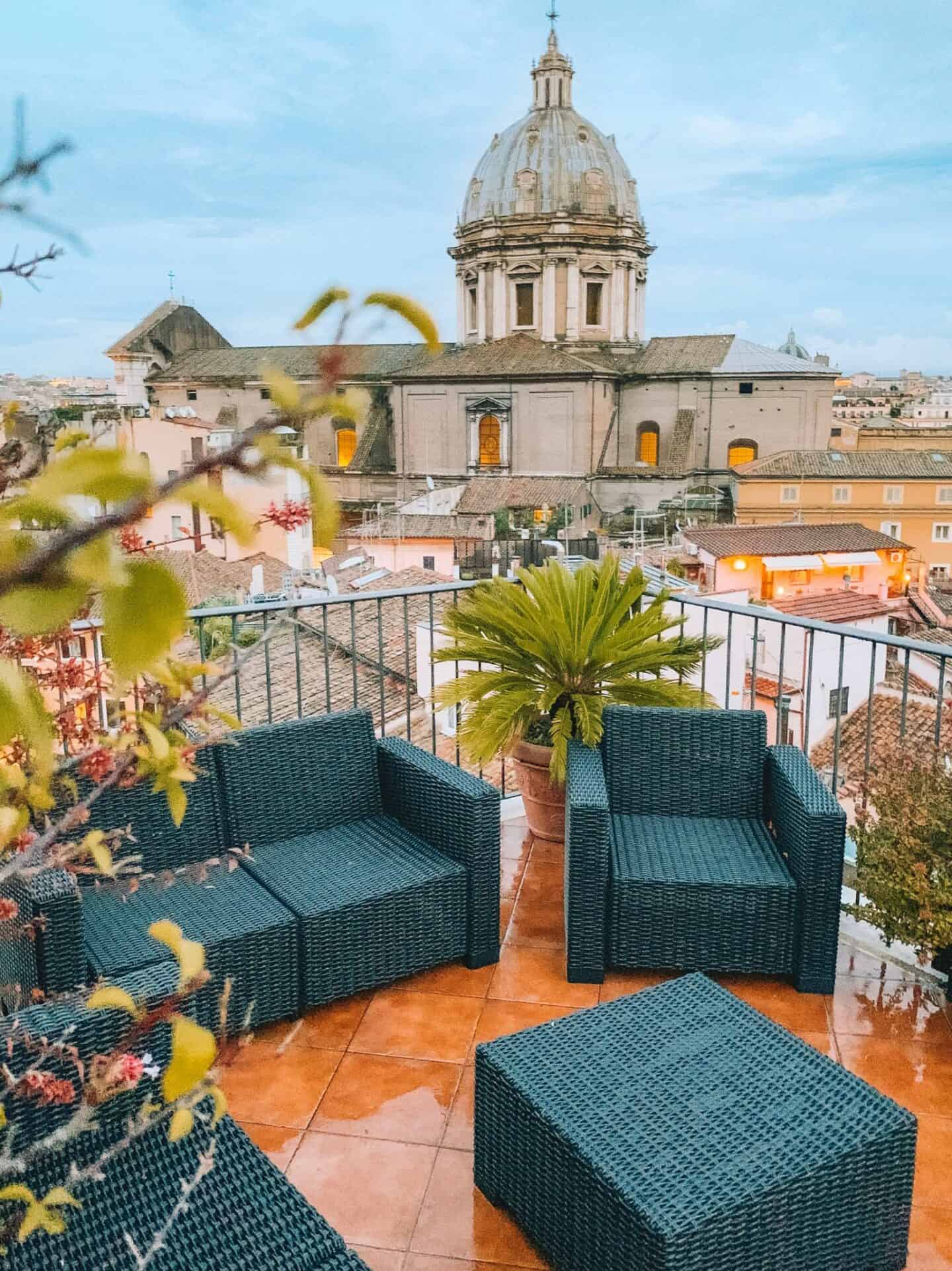
If you love a rooftop bar with a view and you’re open to spending a bit more on your Rome accommodation, then Hotel Campo de’ Fiori is the accommodation for your 3 days in Rome itinerary.
Located in the heart of the historic Campo de’ Fiori neighborhood, this hotel boasts beautiful panoramic views of Rome. The rooms are beautifully decorated and the staff is incredibly helpful and welcoming. You can also get great deals on rooms here during the off-season, although the on-season price is significantly higher.
📍Luxury: The St. Regis Rome
If you’re looking for a Roman hotel steeped in history, then look no further than the St. Regis Rome. Originally opened as Le Grand Hotel in 1894, this hotel has hosted plenty of royalty, heads of state, and well-known celebrities like George Clooney, Madonna, and Brad Pitt.
This 5-star hotel offers guests plenty of luxurious amenities like the LUMEN cocktail bar and restaurant, an on-site spa, a fitness center, and a dry cleaning service.
How to Get Around in Rome
Getting around Rome is convenient and straightforward due to its extensive public transportation network. The city’s Metro system is a popular and efficient way to travel to Rome’s main attractions. In addition to the Metro, Rome’s network of buses and trams operated by ATAC provides another viable option for traversing the city. Be mindful of the pickpockets in crowded transit areas and always validate your ticket to avoid fines.
There is a new Tap & Go system on Rome’s buses that makes purchasing a ticket fast and easy. Simply tap your credit card or use Apple Pay to purchase a ticket once you board the bus.
Alternatively, both taxis and Ubers are readily available in Rome. Taxis are metered and more regulated than they used to be, which decreases your chances of getting scammed. However, always be wary of unlicensed taxis. Uber operates differently in Italy than in other countries. It’s basically just another way of ordering taxis and the prices will be given to you in ranges. However, you don’t need to find a taxi stand – so it is slightly more convenient.
The Roma Pass
There are two different options for The Roma Pass: 72-hours or 48-hours. If you’re planning a Rome 3-day itinerary, the 72-hour pass could be a great option for you. The 72-hour pass includes the following for €52.
- Entrance to your first two museums/archaeological sites. A full list of eligible experiences can be found here. Note that if you wish to use the pass for the Colosseum or the Borghese Gallery, you must make a booking in advance.
- Full use of the Roman public transportation system for 3 days.
- Discounts and special prices.
- Dedicated booking arrangements for museums and archaeological sites.
- Free use of bathrooms in P. Stop Network.
Other Things to Add to Your Rome Itinerary
- Villa Borghese: Villa Borghese is a beautiful park in the heart of Rome that’s home to the renowned Borghese Gallery. Here you’ll find a vast collection of sculptures and paintings by Italian masters like Gian Lorenzo Bernini, Caravaggio, and Titian. The Villa Borghese gardens, with their intricate landscaping, tranquil lake, and beautiful views of the city, offer a peaceful retreat from the bustling city center and would be a welcome addition to any itinerary for Rome in three days.
- Castel Sant’Angelo: An integral part of Rome’s landscape with its cylindrical body towering alongside the Tiber River, Castel Sant’Angelo is a must-visit. Originally built as a mausoleum, it has been a fortress, a prison, and now serves as a fascinating museum that offers visitors a peek into its rich history and breathtaking views of Rome.
- Basilica Papale di Santa Maria Maggiore: This basilica is one of Rome’s four papal basilicas and is a true masterpiece of religious architecture. It’s famed for its stunning mosaics dating back to the 5th century and the ornately carved coffered ceiling. Opening hours are from 7:00 AM to 7:00 PM every day and admission is free.
- Giardino degli Aranci: Also known as the Orange Garden, this enchanting hilltop park offers a serene escape with its verdant orchard of orange trees and a stunning panoramic view of the city. It’s particularly famous for its romantic sunset views over the Roman skyline. This lovely, hidden gem in the heart of Rome is one of the best things to do in Rome in 3 days.
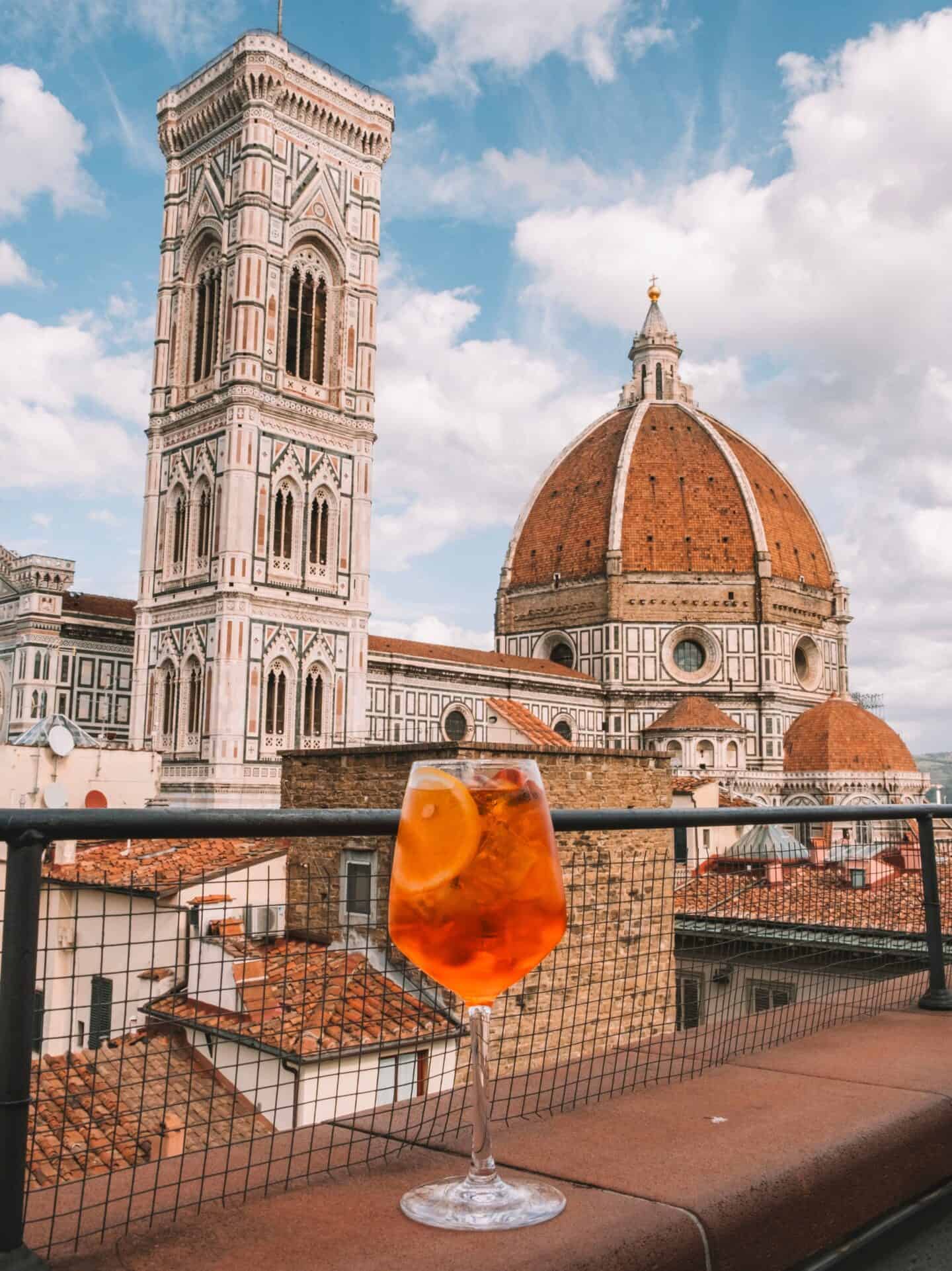
- Take a Day Trip to Florence: A day trip to Florence is a must-do when in Rome. Just an hour and a half away by high-speed train, Florence offers a rich tapestry of art, culture, and history that is an enthralling experience for any traveler. The city is compact and ideal for walking, with all of its major attractions within close proximity to each other. Florence’s restaurant scene is truly unforgettable, making it a must-visit destination for foodies.

Rome in 3 Days FAQs:
Having covered your Rome in 3 days itinerary, let’s delve into some frequently asked questions to provide you with more insights and ensure your Roman adventure is a memorable one! Here are some key queries that travelers often have while planning their Roman holiday:
Is Rome an expensive city?
Rome, like any major city, can be as expensive or as affordable as you make it. The cost of your trip will largely depend on your personal preferences and travel style. While some services and experiences, such as fine dining or a plush stay in luxury hotels, can indeed be expensive, there are plenty of options for budget travelers too. Many of Rome’s iconic attractions, like the Pantheon or the Trevi Fountain, are free to visit. Public transportation is also reasonably priced, and there’s a plethora of affordable dining options, especially if you venture off the beaten path. Therefore, with astute planning, a trip to Rome can fit a wide range of budgets.
Keep in mind that, within Italy, Rome is definitely more affordable than Milan or Lake Como in the on-season, but less affordable than smaller towns like Pisa or Torino.
Is 3 days enough to see Rome?
Yes, 3 days can be enough to experience the highlights of Rome and get a feel for its vibrant culture and rich history. However, if you’re looking to explore the city at a more leisurely pace, taking in not just the iconic landmarks but also the lesser-known jewels, spending at least 4 days in Rome might suit you better.
In all honesty, I could easily spend two weeks exploring Rome (or a lifetime), but if you’re trying to fit other Italy highlights into your trip – like Lake Como, Tuscany, or the Amalfi Coast – you can easily fit the best of Rome into 3 days.
How much does a 3 day trip to Rome cost?
The cost of a 3-day trip to Rome can vary widely depending on factors such as the time of year, the type of accommodations you choose, and how much dining out you plan to do. However, as a general estimate, expect to spend around $150-$200 per day. This includes accommodations, meals, sightseeing tickets, and local transportation. Of course, if you’re on a tight budget, you can always find ways to cut costs, such as staying in a hostel, eating street food, or cooking some meals at your accommodation.
Do You Tip in Rome?
Tipping is not a requirement in Rome, but it is a common practice to show appreciation for good service. In restaurants, it’s not unusual to leave a tip of around 10% if you’re satisfied with the service. However, many places include a service charge in the bill, so tipping is not necessary in those cases. For taxi drivers and hotel staff, a small tip is appreciated but not expected.
Final Thoughts: 3-Day Rome Itinerary
This Rome in 3 days itinerary captures the soul of what makes Rome special and unique…in only 72 hours. From the ancient Colosseum, to the bustling charm of Trastevere, to the decadent panini of All’antico Vinaio, Rome’s history, culture, and gastronomy are beautifully intertwined in this simple travel guide.
Hopefully, embarking on this Rome trip of a lifetime will allow you to fall in love with Rome the same way that I fell in love with the Eternal City six years ago. In every bite of suppli, every crooked cobblestone, and every ivy-covered wine bar, this city has been a beacon of art, culture, and history for centuries.
If you enjoyed my itinerary to Rome in 3 days, you may enjoy my related travel guides linked below. Buon viaggio my travelers – and don’t forget to follow along for the adventure on Instagram @madisonsfootsteps.


Pin this Post